Why Does My Cat Keep Sneezing? Causes, Cat Colds and When to See a Vet
From dust and irritants to herpesvirus, what is behind the sneezes and what to do

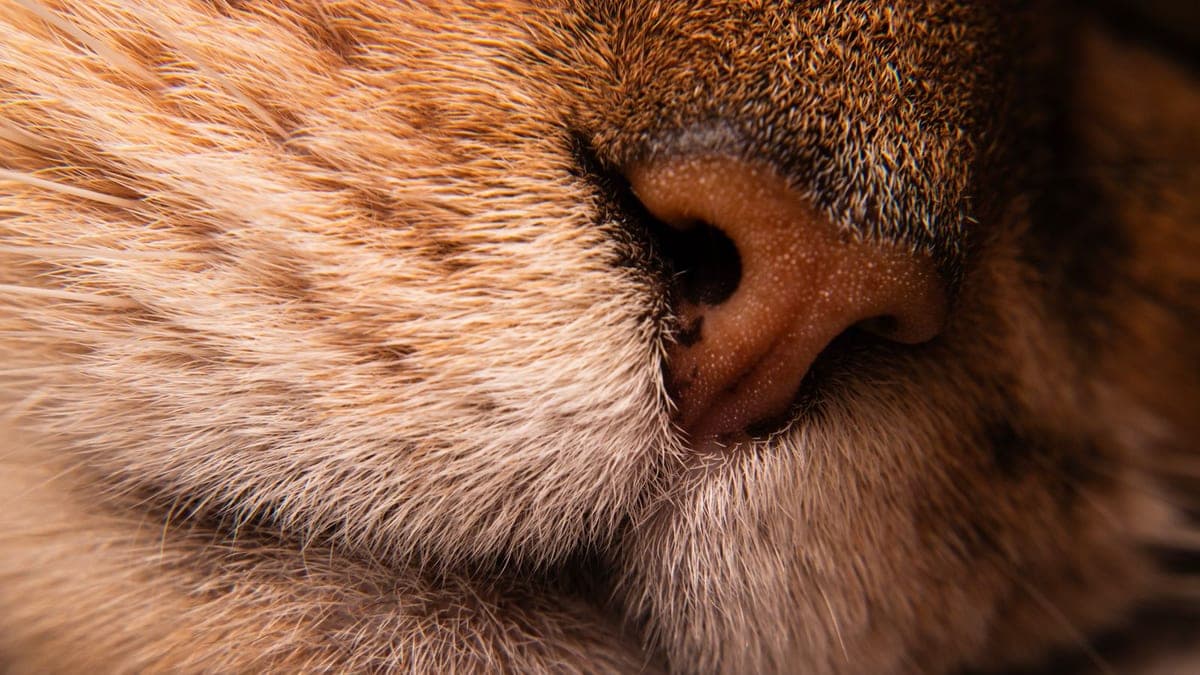
One sneeze is nothing. Cats sneeze the way people do, because a speck of dust or a whiff of something strong tickled the inside of their nose. But when the sneezing starts coming in bursts, or goes on for days, or arrives with watery eyes and a runny nose, it is natural to wonder what is going on in there.
This guide walks through why cats sneeze, which causes are harmless, which ones need a vet, and what you can do at home while you wait. It is written for owners, not vets, and it is not a substitute for an exam. If your cat is struggling to breathe or refusing food, skip the reading and call your vet.
The short answer
Most cats that sneeze have either a mild irritant in the air or a viral upper respiratory infection, which owners often call a cat cold. According to VCA Animal Hospitals, two viruses, feline herpesvirus type 1 and feline calicivirus, cause about 90 percent of all feline upper respiratory infections. Less common causes include allergies, dust and smoke, something stuck in the nose, and dental disease. A sneeze here and there is normal. Sneezing that is frequent, lasts more than a few days, or comes with discharge, a poor appetite or labored breathing should be checked.
Why cats sneeze
Sneezing is a reflex. It is the body's way of clearing something irritating from the nose, and it is usually involuntary. Some causes pass on their own, like walking through a dusty basement. Others are signs of something that needs treatment. The Royal Canin veterinary academy makes the same point for vets: the range runs from self-limiting problems to progressive and even life-limiting ones, which is why the pattern matters more than any single sneeze.
Upper respiratory infections (cat colds)
This is the big one, especially for kittens, cats from shelters, and cats that have recently been boarded or introduced to a new cat. A cat with an upper respiratory infection typically has sneezing, a stuffy nose, discharge from the nose or eyes, and red or swollen eyes. The discharge can be clear at first and turn cloudy or yellow-green. VCA also lists less specific signs: not eating, lethargy, fever, swollen lymph nodes, and squinting. With herpesvirus and calicivirus, a cat may also develop ulcers in the mouth. In severe cases a cat can have trouble breathing.
The two main viruses behave differently. Cornell's Feline Health Center reports that up to 97 percent of cats are exposed to feline herpesvirus in their lifetime, and that the virus causes a lifelong infection in up to 80 percent of exposed cats. Of those, up to 45 percent will periodically shed the virus, usually when they are stressed. That is why a cat that seemed fine for months can suddenly start sneezing again after a move or a change at home. Young and adolescent cats are the most susceptible.
Calicivirus is highly contagious and common worldwide. Cornell estimates that about 10 percent of cats in small groups are infected, versus up to 90 percent in crowded places like shelters and catteries. Most cats with calicivirus develop upper respiratory signs, and sometimes mouth ulcers.
Bacteria can be involved too. The most common bacterial causes are Bordetella bronchiseptica and Chlamydophila felis, and a secondary bacterial infection often piles on top of a viral one. The Merck Veterinary Manual describes the whole group as feline respiratory disease complex, which is usually self-limiting but can be complicated by secondary bacterial infections.
Irritants in the air
Dust, smoke, strong fragrances and household chemicals can trigger sneezing. The MSD Veterinary Manual lists smoke, irritant gases and dusts, and foreign bodies as causes of acute rhinitis in cats. Common culprits at home include scented candles, plug-in air fresheners, cleaning sprays, cigarette smoke, perfume, and dusty litter. A good clue is timing: if the sneezing started right after you changed the litter, started using a new product, or lit a candle, try removing the new thing and see what happens.
Something stuck in the nose
A blade of grass, a seed or a small bit of debris can lodge in a cat's nose or the back of its throat. This tends to look different from a cold. It usually comes on suddenly, and the cat may paw at its face or gag. The Royal Canin academy notes that inhaled nasal foreign bodies like grass blades are more common in cats with outdoor access, and cases show up most often in the warmer months. A BSAVA case describes a cat that started sneezing and pawing at its face right after being in the garden, with no nasal discharge. Many cases resolve on their own, but if the sneezing does not stop, your vet needs to look.
Allergies
Cats can react to pollen, dust mites, mold and other allergens, but allergic rhinitis is considered uncommon in cats. That does not mean you should rule it out. If your cat sneezes mostly in a certain season or room, or at a particular time of day, mention the pattern to your vet.
Dental disease
This one surprises people. The roots of a cat's upper teeth sit very close to the nasal passages. The MSD Veterinary Manual notes that rhinitis or sinusitis can result when an abscess at the root of an upper tooth extends into the sinus area. If your cat has sneezing or a nasal discharge on one side along with bad breath, drooling or trouble chewing, a dental problem is worth checking.
Chronic nose problems
Some cats sneeze for months or have a nose that is always a bit snuffly. International Cat Care explains that one of the most common causes is chronic rhinitis, thought to develop after a viral infection like herpesvirus damages the delicate lining of the nose. That damage makes the nose prone to secondary bacterial infection, which leads to ongoing sneezing, discharge and congestion. A paper in the journal In Practice lists chronic rhinosinusitis, tumors in the nose and foreign bodies as the most common causes of chronic nasal discharge in cats in the UK. This is the group of problems that are most likely to need tests beyond a basic exam.
Other causes
Fungal infections like cryptococcus, nasal polyps and tumors are less common, but they are part of why a vet should check any sneezing that does not clear up. The pattern, such as whether it is one side or both, and whether there is blood, helps narrow it down.
Is it a cold, or something else?
Sneezing plus watery or red eyes, runny nose, a mild fever and less appetite: typical of a viral upper respiratory infection.
Sudden sneezing, pawing at the face and gagging after being outdoors: think foreign body.
Sneezing that started after a product or routine change: think irritant.
One-sided discharge, bad breath, drooling or pain when eating: think dental or a nasal problem.
Sneezing for weeks or months, off and on: think chronic rhinitis or another chronic cause.
Blood in the discharge: call your vet. International Cat Care notes that discharge in chronic nose disease can occasionally be tinged with blood, but blood is never something to watch and wait on.
When to call the vet
A one-off sneeze or two, in a cat that is eating, drinking, playing and acting like itself, can be watched at home. Call your vet if you notice any of these:
Sneezing that lasts more than a few days, or that keeps coming back
Colored (yellow, green) or bloody discharge from the nose or eyes
Squinting, red or swollen eyes, or eye discharge that sticks the eyelids
Refusing food or drinking less than usual
Lethargy, hiding, or a fever
Ulcers or sores in the mouth, drooling, or pawing at the mouth
Noisy, snoring or snorting breathing, or facial swelling
A kitten, senior or sick cat with any of the above, since they can get worse quickly
Veterinary guidance on acute infections is that many do not need treatment beyond supportive care. A review by Dr. Michael Lappin of Colorado State University notes that acute upper respiratory infections in cats may not need treatment, but if signs last more than 10 days a complete workup should be done. That is a useful benchmark: if your cat is still sneezing and snuffly after a week to ten days, do not keep waiting.
Emergency signs
Go to an emergency vet right away if your cat is breathing with its mouth open, breathing very fast or with effort, has blue or gray gums, or stops eating entirely. Cornell notes that a cat's resting breathing rate should not exceed 35 breaths per minute. Cats that hide and refuse food can also decline quickly. When in doubt, call.
What the vet might do
For a typical cold, your vet may diagnose it from the signs alone. Merck's guidance is that diagnosis is based on clinical signs and lab testing for the agents involved, and that treatment is supportive, with antibiotics only for a secondary bacterial infection. Dr. Lappin's review names amoxicillin or doxycycline as the best antibiotics to try for acute bacterial infections. For stubborn or recurring cases, tests may include PCR swabs, dental x-rays, or looking into the nose and throat under anesthesia, because, as one paper puts it, the signs are so similar across causes that a diagnosis often requires investigation under anesthesia.
Antiviral drugs may help in some herpesvirus cases, especially young cats with eye involvement. Cornell also flags lysine, a supplement often recommended for herpesvirus: several studies suggest it is not effective and may actually worsen symptoms and promote shedding of the virus, so talk to your vet before starting it.
What you can do at home
Keep your cat eating and drinking. Congested noses block the smell of food, which is what stimulates appetite. Cornell notes this, and many vets suggest warming wet food slightly so the smell carries. If your cat stops eating, call your vet.
Wipe discharge gently. Use a soft cloth dampened with warm water, a fresh one for each eye.
Add humidity. Sitting with your cat in a steamy bathroom for a few minutes can ease congestion.
Keep it calm. Stress is a known trigger for herpesvirus flare-ups, so keep routines steady. Dr. Lappin's review notes that lessening stress can lessen recurrent upper respiratory signs.
Cut irritants. Skip candles, sprays, smoke and heavily scented products around your cat. Switch to a low-dust, unscented litter if dust seems to be a trigger.
Never give human cold or pain medicine. Many are toxic to cats. Only use medication your vet prescribes.
Protecting your other cats
Cat colds spread. Calicivirus in particular is highly contagious. If you have more than one cat, keep the sneezing cat in its own room if you can, with its own bowls, bedding and litter box. Wash your hands between cats, and wash anything shared. Vaccination is the best prevention. Cornell recommends vaccination against herpesvirus for all cats. The vaccines do not stop infection in every case, but they significantly decrease the severity of disease and the shedding of virus, which helps protect the other cats in the house. Your vet can tell you which core vaccines your cat needs, and kittens usually start a series when they are young. If you are bringing home a new cat, our guide on how to introduce two cats includes ways to do it without adding stress.
Kittens that sneeze
Kittens are the most likely to catch upper respiratory infections, and the most likely to get sick from them. A kitten with eye discharge, a snotty nose, or not eating well needs a vet check, because kittens can become dehydrated and dangerously weak quickly. Cornell notes that young and adolescent cats are the most susceptible to herpesvirus. If your kitten came from a shelter or rescue, a snuffly week or two after arrival is common, but do not assume it is nothing: ask your vet to look. If you are still getting your kitten settled, our guide to switching kitten food covers the feeding side.
Common questions
Why does my cat sneeze so much?
If your cat sneezes in small bursts now and then but is otherwise normal, it is probably dust or a mild irritant. If the sneezing is frequent or constant, or comes with discharge, it needs a vet visit.
Can cats catch a cold from people?
The viruses that cause cat colds are specific to cats, and they do not normally pass between cats and people. But you can carry them on your hands and clothes from one cat to another.
Why does my cat sneeze when I use certain products?
Strong scents and aerosols irritate the nose. If sneezing follows a particular product, stop using it around your cat.
Why is my cat sneezing and has a runny eye?
That combination points to an upper respiratory infection, particularly herpesvirus, which can involve the eyes. Your vet can check for corneal ulcers, which can be painful and need prompt treatment.
Is it a reverse sneeze?
A reverse sneeze is a fit of noisy inhaling, almost like snorting. Occasional episodes can be harmless, but if your cat makes snoring, snorting or gagging sounds repeatedly, tell your vet. Those sounds can be a sign of a problem in the back of the nose or throat.
Will my cat get better on its own?
Many mild viral infections clear up in a week or two with good care. But because herpesvirus can stay for life and flare up with stress, some cats have repeated bouts. Your vet can help you manage recurrences.
The bottom line
A sneeze is a reflex, and most of the time the cause is minor. But pay attention to the pattern. A cat that sneezes a lot, or has discharge, a poor appetite or noisy breathing, deserves a vet visit, and so does any sneezing that lasts more than about a week to ten days. In the meantime, keep your cat comfortable, eating and calm, and keep the air free of irritants. If you are also watching for other digestive or health changes, our guide on why cats throw up covers what is normal and what is not.
Keep reading
Why Is My Cat Throwing Up? When to Worry and What to Do. Why Do Cats Get Hairballs? Causes, Normal vs. Warning Signs. Is Catnip Actually Safe for Your Cat?.
Comments (0)
Join the conversation
Sign up to share your thoughts.
Loading comments...