Why Do Cats Get Hairballs? Causes, Normal vs. Warning Signs
They are a normal byproduct of grooming, but more than one every two weeks may mean something is wrong

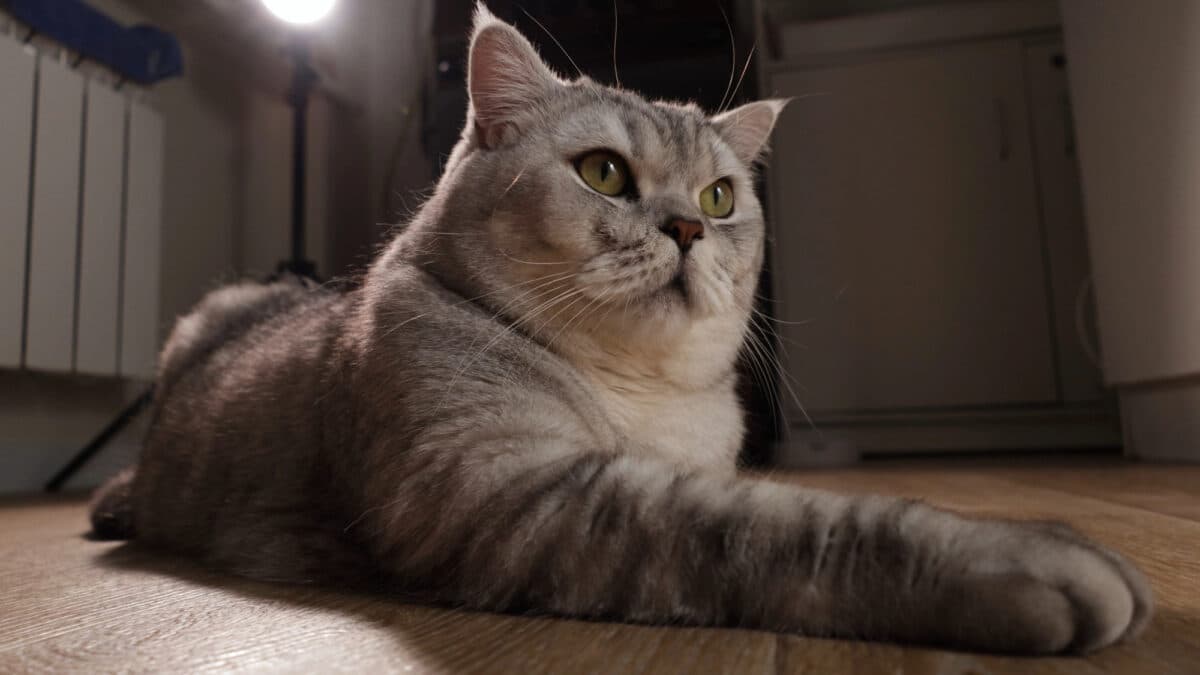
If you have a cat, you have probably found a hairball on your floor at some point. Usually it is in the worst possible spot, like the middle of the rug or right where your bare foot lands at 3 AM. It is gross, it is inconvenient, and if you are like most cat owners, you have probably wondered whether it is something you should be worried about or just a normal part of having a cat.
The answer is both. Hairballs are a normal byproduct of how cats groom themselves, and most of the time they are nothing to worry about. But there is a point where frequency becomes a red flag, and there is a rare but serious scenario where a hairball can actually become life-threatening. The line between 'normal cat thing' and 'call the vet' is clearer than you might think, and the veterinary research gives us specific guidance on where it falls.
Let us walk through what hairballs actually are, why cats get them, which cats are most at risk, when to worry, and what actually works to reduce them.
What a hairball actually is
The medical term for a hairball is trichobezoar. 'Trich' means hair, and a bezoar is any foreign mass that obstructs the digestive tract. So a trichobezoar is literally a wad of hair stuck in the gastrointestinal system. The word sounds exotic, but the thing itself is mundane. It is a damp, tubular clump of undigested fur that your cat has vomited onto your floor.
The reason cats get hairballs at all comes down to how they groom. A cat's tongue is covered in tiny backward-slanted projections called papillae, which are made of keratin, the same tough protein that makes up hair and nails. These papillae act like a built-in comb. When a cat licks their coat, the papillae catch loose and dead hair, and because they angle backward toward the throat, the hair is propelled down into the stomach rather than being spat out. Cats cannot help swallowing fur. It is an unavoidable consequence of the way their tongues are built.
Cats spend a significant portion of their waking hours grooming. A commonly cited figure from veterinary literature, based on a 1981 study by Panaman and colleagues, estimates that cats spend about 25 percent of their waking hours licking themselves. All that grooming means a lot of swallowed hair. Most of it, the majority, passes straight through the digestive tract and comes out in the feces. Cornell University's Feline Health Center explains that the keratin in hair is indigestible, so it passes through intact. But some of it stays in the stomach, and over time it accumulates into a damp clump. That clump is the hairball.
Why some cats get more hairballs than others
Not all cats produce hairballs at the same rate, and the differences come down to a few specific factors.
Breed and coat length matter a lot. Long-haired breeds like Persians, Maine Coons, and Ragdolls are at significantly greater risk than short-haired cats, simply because they have more fur to swallow. Cornell's Dr. Goldstein notes that long-haired breeds are more prone to hairballs, and the shedding seasons, spring and fall, bring a spike in hairball frequency for all cats because there is more loose hair coming off the coat.
Age is a factor too. Kittens and young cats are less likely to produce hairballs than older cats. The reason, according to Cornell, is that older cats are more experienced and fastidious groomers who spend a larger portion of their waking hours licking their coats. They have also had more time to develop the habit, and their coats may be changing more with age.
Then there is the over-grooming factor. VCA Animal Hospitals explains that cats with allergies or skin disease may lick their coat more vigorously, which means they swallow more hair. Cats that over-groom due to stress, anxiety, or pain also ingest more fur. In these cases, the hairball is a symptom of an underlying issue, not just a grooming byproduct. If your cat has suddenly started producing more hairballs than usual, the question to ask is not just 'how do I reduce hairballs' but 'why is my cat grooming more.'
How often is normal?
This is the question that matters most in practice, and the veterinary guidance is more specific than you might expect.
Cornell University's Feline Health Center says it is not uncommon for a cat to regurgitate a hairball once every week or two, and that this is nothing to worry about. That is the upper bound of what is considered normal. Less frequent than that is fine. More frequent than that may be a problem.
The key threshold comes from a 2015 study by Norsworthy and colleagues, which found that cats who vomit more often than every two weeks are significantly more likely to have underlying gastrointestinal disease. This was highlighted in a presentation by Dr. Kelly St. Denis and Dr. Liz O'Brien, both board-certified feline practitioners, titled 'Hairballs Are Not Normal.' Their position is that while occasional hairball vomiting may not indicate disease, frequent hairball elimination is often a sign of excessive fur ingestion or underlying gastrointestinal disease, and it should be investigated rather than dismissed.
A review paper published in the Journal of Feline Medicine and Surgery put it bluntly: while many owners and veterinarians consider hairball vomiting a normal feline behavior, in most short-haired cats the frequent elimination of hairballs is an indicator of an underlying chronic disease. The paper identified pruritic skin disease, flea infestation, and dietary intolerance as common contributing factors that are often overlooked. The takeaway is that 'normal' is less common than people think, especially for short-haired cats.
When a hairball becomes dangerous
Most hairballs come up on their own and the cat goes back to what they were doing. But in rare cases, a hairball can cause a serious problem, and it is important to know the warning signs.
The danger, as Cornell explains, is that a hairball can grow too large to pass through the sphincters between the esophagus and the stomach, or between the stomach and the intestinal tract. A hairball can also pass from the stomach into the small intestine and become lodged there. Dr. Goldstein notes that this is uncommon but very serious when it does occur, and that without surgical intervention, it can be fatal.
VCA Animal Hospitals lists the signs of an obstruction: vomiting, abdominal pain, and lack of bowel movements. If a trichobezoar is causing a blockage, you may not see hair in the vomit at all. The cat may just keep vomiting food or bile, or stop eating entirely. A study cited by PetMD found that life-threatening complications occurred in 21 percent of cats undergoing intestinal blockage surgery, which tells you how serious this is once it reaches that stage.
The warning signs that warrant an immediate vet visit, according to Cornell, are: a cat that is lethargic, refuses to eat for more than a day or two, or has had repeated episodes of unproductive retching, meaning they keep hacking but nothing comes up. Unproductive retching is especially concerning because it could mean a hairball is stuck, or it could mean the hacking has nothing to do with hairballs at all and is instead a sign of a respiratory condition like asthma. Either way, it is an emergency.
What actually helps reduce hairballs
If your cat is in the normal range, producing a hairball every couple of weeks or less, you do not need to do anything. But if you want to reduce the frequency, or if your cat is a long-haired breed that produces them regularly, there are a few things that genuinely work based on the veterinary guidance.
The single most effective thing you can do is brush your cat. Fur that you remove with a brush or comb is fur that does not end up in the cat's stomach. This is the most direct intervention, and every veterinary source recommends it. For long-haired cats, daily brushing is ideal. For short-haired cats, a couple of times a week is usually enough. If your cat does not tolerate brushing, a grooming glove or a deshedding tool like a FURminator can help. The goal is to get the loose fur out before the cat's tongue does.
Diet plays a role too. A diet with adequate fiber helps move hair through the digestive tract more efficiently, so it passes out in the feces rather than accumulating in the stomach. Some cat foods are specifically formulated for hairball control, with added fiber and ingredients designed to support coat health. Adding a small amount of pumpkin puree, a quarter to half a teaspoon, to wet food can also provide soluble fiber. Wet food in general helps, because hydration keeps the digestive tract moving. We covered the importance of wet food and hydration in the cat food safety article.
Hairball gels and lubricants are another option. These are petroleum-based or oil-based gels, like Tomlyn Laxatone, that coat the hair and help it slide through the digestive tract. The Merck Veterinary Manual notes that white petroleum products are available to promote hairball passage, but recommends they be used under veterinary approval and supervision. They are widely available over the counter, but they are not risk-free and they are not appropriate for every cat. If your cat is producing hairballs frequently enough that you are reaching for a gel regularly, that is a sign you should be talking to your vet about the underlying cause, not just lubricating the symptom.
What does not work, or is not enough
A few things that people try are either ineffective or not sufficient on their own:
Cat grass. Some people grow indoor cat grass for their cats to nibble on. The idea is that it provides fiber and may help the cat vomit up hairballs more easily. There is no strong evidence that it reduces hairball formation, though it is not harmful and some cats enjoy it.
Home remedies like butter or oil. Giving your cat butter or cooking oil is not recommended. It can cause diarrhea and pancreatitis, and it does not provide the controlled lubrication that a veterinary-formulated hairball gel does.
Just switching to a hairball control food without addressing over-grooming. If your cat is over-grooming due to stress, allergies, or pain, a different food will not fix the root cause. You need to address why the cat is licking more, not just what happens to the fur after they swallow it.
Ignoring frequent hairballs because they seem normal. The veterinary literature is clear on this one. Frequent hairball vomiting is often a sign of underlying disease, and dismissing it as 'just what cats do' can delay diagnosis of a real problem.
When to see the vet
Here is the practical summary of when a hairball situation warrants a veterinary visit:
Your cat is producing hairballs more often than every two weeks. The 2015 Norsworthy study found this frequency is significantly associated with underlying gastrointestinal disease.
Your cat is having repeated episodes of unproductive retching, hacking without producing anything. This could mean a hairball is stuck, or it could be a respiratory issue like asthma.
Your cat is lethargic, refusing to eat for more than a day, or showing signs of abdominal pain. These are signs of a possible intestinal obstruction, which is a medical emergency.
Your cat has suddenly started producing more hairballs than usual, with no change in diet or environment. This could indicate a new skin condition, allergy, flea infestation, or stress-related over-grooming.
Your short-haired cat is producing hairballs frequently. The JFMS review paper notes that frequent hairballs in short-haired cats are particularly likely to indicate underlying disease, because short-haired cats normally do not ingest enough fur to produce them regularly.
The bottom line
Hairballs are a normal consequence of the way cats are built. Their tongues are designed to catch and swallow fur, and they spend a quarter of their waking hours grooming. Most of that fur passes through harmlessly. Some of it builds up and comes back up as a hairball. A cat producing one every week or two is within the normal range, and there is no reason to panic.
But the idea that hairballs are always harmless is wrong, and the veterinary literature has been pushing back against it. Frequent hairballs, especially in short-haired cats, are often a sign of something else, whether that is over-grooming from stress or allergies, a dietary intolerance, or gastrointestinal disease. And in rare cases, a hairball can cause an intestinal obstruction that requires surgery and can be fatal if left untreated.
The practical takeaway is this: brush your cat, feed them well, keep them hydrated, and pay attention to the frequency. If the hairballs are occasional, you are fine. If they are frequent, or if your cat is hacking without producing anything, or if they seem off in any other way, do not write it off as normal. Call your vet. The line between a normal cat thing and a medical problem is not that hard to spot once you know where to look.
Keep reading
If you found this helpful, you might also like our guides on whether diet plays a role, why cats purr when they groom and how play reduces grooming stress.
Comments (0)
Join the conversation
Sign up to share your thoughts.
Loading comments...