Why Is My Cat Throwing Up? When to Worry and What to Do

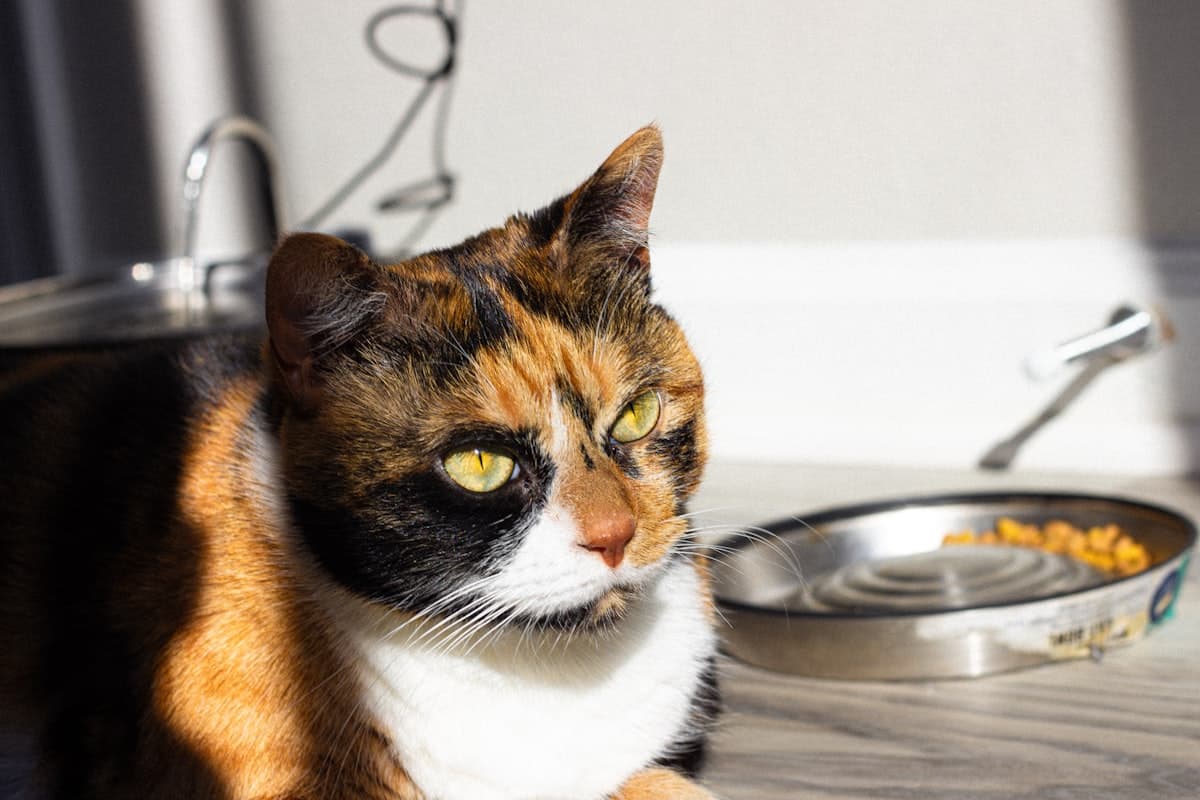
As a cat parent, few sounds are as instantly stress-inducing as the telltale hack-hack-hack coming from the corner of the living room. I have dug through veterinary literature, consulted feline health resources, and compiled everything you need to know about why your cat is throwing up - and when you should actually be worried. Let us walk through the most common causes, the difference between harmless and dangerous vomiting, and exactly what to do when it happens.
Vomiting vs. Regurgitation: Know the Difference
Before we dive into causes, it helps to understand that not everything that comes back up is true vomiting. The Merck Veterinary Manual draws a clear distinction between vomiting and regurgitation, and getting this right can tell your veterinarian a lot about what is going on.
Vomiting is an active process. You will usually see your cat's abdomen contract forcefully, hear retching or gagging sounds, and the material that comes up is often partially digested, mixed with bile, and smells sour. Vomiting involves the stomach and sometimes the upper intestines, so the contents look like a puddle rather than a shaped mass.
Regurgitation, on the other hand, is passive. There is no abdominal effort. The food simply comes back up, often in a tubular or sausage-like shape, and it is undigested - it looks just like the kibble or wet food your cat just ate. According to the Cornell Feline Health Center, regurgitation usually happens soon after eating and is often related to eating too fast, esophageal problems, or food getting stuck on the way down.
Why does this matter? Because regurgitation and vomiting have completely different underlying causes and treatments. If you can describe what you saw to your vet - active retching with digested food, or a passive tubular blob of kibble - you are already giving them valuable diagnostic information.
Common Causes of Occasional Vomiting
Let us start with the reassuring news. Most cats throw up every now and then, and the cause is usually benign. The VCA Animal Hospitals network notes that occasional vomiting in cats is common and often not a sign of serious disease. Here are the usual suspects.
Hairballs
Hairballs, technically called trichobezoars, are probably the most common reason cats vomit. Cats are fastidious groomers, and their tongues are covered in tiny backward-facing barbs that pull loose hair out of the coat. Most of that hair passes through the digestive tract and comes out in the litter box, but some of it accumulates in the stomach. When enough builds up, the cat vomits it up - usually as a long, wet, tube-shaped wad of hair mixed with bile.
Long-haired breeds like Persians and Maine Coons are especially prone to hairballs, but any cat can get them, particularly during shedding season. The Cornell Feline Health Center explains that while hairballs are common, frequent hairballs - more than once or twice a month - are not normal and may signal an underlying gastrointestinal problem.
To reduce hairballs, brush your cat regularly to remove loose hair before they can swallow it. You can also use a hairball remedy - typically a malt-flavored gel that lubricates the digestive tract and helps hair pass through. Some commercial diets are formulated with higher fiber to help move hair through the gut. If your cat is producing hairballs weekly despite grooming and remedies, talk to your vet, because chronic hairballs can sometimes point to inflammatory bowel disease or other GI issues.
Eating Too Fast
Some cats treat mealtime like a competitive sport. When a cat gorges, the stomach fills and expands rapidly, which can trigger a vomiting reflex. The food often comes back up barely chewed and in a tubular shape - which is why this is sometimes mistaken for regurgitation.
The fix here is mechanical. PetMD recommends several strategies to slow down fast eaters:
- Puzzle feeders and food-dispensing toys that make your cat work for each bite - Slow-feed bowls with built-in obstacles that prevent gulping - Smaller, more frequent meals throughout the day instead of one or two large portions - Spreading wet food across a flat plate or lick mat so the cat cannot take huge mouthfuls
If you have multiple cats, the fast eating might be driven by competition. Feeding them in separate rooms can reduce the anxiety that causes scarfing.
Sudden Food Changes
Cats have surprisingly sensitive digestive systems, and an abrupt switch from one food to another is a classic trigger for vomiting. The Merck Veterinary Manual notes that dietary indiscretion and sudden diet changes are frequent causes of acute gastrointestinal upset in cats.
When you need to change your cat's food, do it gradually over seven to ten days. Start by mixing a small amount of the new food in with the old, and slowly increase the proportion of new food while decreasing the old. This gives the gut bacteria time to adjust and dramatically reduces the chance of vomiting or diarrhea.
Grass Eating
You may have seen your cat nibble on grass and then throw up shortly after. This is normal feline behavior, and researchers believe cats eat grass either to add fiber to their diet, to induce vomiting to clear out indigestible material, or simply because they enjoy it. The VCA Animal Hospitals note that grass eating is common and usually harmless, as long as the grass itself has not been treated with pesticides, herbicides, or fertilizers.
When Is Vomiting Normal and When Is It a Red Flag?
This is the question every cat parent eventually asks. Let us break it down.
Generally not a concern:
- Vomiting once a month or less - A single episode of vomiting after eating too fast or eating grass - A hairball every couple of weeks in a long-haired cat - Your cat is otherwise completely normal - eating, drinking, energetic, using the litter box normally
Red flags that warrant a vet visit:
- Vomiting multiple times in a day or multiple episodes over a couple of days - Chronic vomiting - vomiting regularly over weeks or months, even if infrequent - Vomiting accompanied by lethargy, not eating, or hiding - Vomiting with diarrhea - Vomiting blood (red or dark, coffee-ground appearance) - Weight loss you can see or feel - Signs of dehydration - dry gums, sunken eyes, skin that does not snap back when you pinch it - A painful abdomen - your cat hunches, growls, or resists being touched
The Cornell Feline Health Center is clear on this point: vomiting that persists, recurs, or comes with other symptoms is not something to watch and wait on. Acute vomiting that happens more than a few times in a day, or chronic vomiting that happens regularly, both warrant veterinary investigation.
Food Allergies and Intolerances
Food allergies in cats are less common than many people think, but they do happen. According to Merck Veterinary Manual, the most common food allergens in cats are beef, dairy, and fish - proteins that cats are frequently exposed to. Food intolerances are different from allergies in that they do not involve the immune system, but they can still cause vomiting, diarrhea, and skin problems.
The gold standard for diagnosing a food allergy is an elimination diet - feeding your cat a novel protein (one they have never eaten before) or a hydrolyzed protein diet for eight to twelve weeks, then watching to see if the vomiting and other symptoms resolve. If they do, your vet may reintroduce the old food to confirm the allergy. This is a process that requires patience and strict adherence, because even a single treat with the wrong ingredient can reset the clock.
Inflammatory Bowel Disease (IBD)
If your middle-aged or older cat has started vomiting regularly - even just a few times a month - inflammatory bowel disease is one of the first conditions your vet will consider. IBD is not a single disease but a group of chronic gastrointestinal disorders in which the lining of the stomach or intestines becomes infiltrated by inflammatory cells.
The Cornell Feline Health Center notes that chronic vomiting is the most common sign of IBD in cats, often accompanied by weight loss, diarrhea, and a decreased appetite. The vomiting may be mistaken for hairballs, which is why cats with IBD are sometimes misdiagnosed as just "having a hairball problem."
Diagnosing IBD usually involves blood work, imaging, and sometimes biopsies of the intestinal wall. Treatment often involves a combination of a hypoallergenic or highly digestible diet and medications such as steroids to reduce inflammation. IBD is manageable, but it is not curable, so cats with the condition typically need lifelong care.
Foreign Body Ingestion: A True Emergency
Cats are curious, and they love to play with things they should not swallow. String, yarn, dental floss, rubber bands, hair ties, and small toy parts are all common foreign bodies that cats ingest. The Merck Veterinary Manual warns that linear foreign bodies - anything long and string-like - are particularly dangerous because they can anchor at the base of the tongue or in the stomach and then saw through the intestines as the gut tries to move them along.
Signs of a foreign body include sudden, repeated vomiting, not eating, abdominal pain, drooling, and lethargy. This is a medical emergency. Do not attempt to pull a string out of your cat's mouth or anus if you see one protruding - you can cause serious damage. Get to a veterinarian or emergency clinic immediately. Surgery is often required to remove the object.
Toxic Plants: Lilies Are Deadly
This deserves its own section because it is one of the most urgent warnings any cat owner needs to hear. Lilies are extremely toxic to cats. All parts of the lily plant - petals, leaves, stem, pollen, and even the water in the vase - are poisonous. According to the ASPCA Animal Poison Control Center and the Pet Poison Helpline, ingestion of even a tiny amount of lily material can cause acute kidney failure in cats, often within twelve to twenty-four hours.
The VCA Animal Hospitals report that cats who ingest lilies may start vomiting, drooling, and losing appetite within hours. As kidney damage progresses, they show increased thirst and urination, then a dangerous drop in urine output as the kidneys shut down. Without rapid treatment - ideally within six hours of exposure - the prognosis is grave, and many cats do not survive.
If you even suspect your cat has chewed on a lily, do not wait for symptoms. Take your cat and the plant to an emergency veterinarian immediately. Treatment involves inducing vomiting, giving activated charcoal, and aggressive intravenous fluids to protect the kidneys.
Other plants that can cause vomiting and serious harm include autumn crocus, tulip and narcissus bulbs, azaleas, rhododendrons, and sago palms. Before bringing any plant into your home or garden, check the ASPCA's toxic and non-toxic plant list to make sure it is safe for cats.
Serious Medical Conditions That Cause Vomiting
Sometimes vomiting is a sign of a systemic disease, especially in older cats. Here are three of the most common.
Pancreatitis
Pancreatitis is inflammation of the pancreas, and it is more common in cats than was once believed. The Merck Veterinary Manual notes that pancreatitis in cats can be chronic and low-grade, producing vague symptoms like intermittent vomiting, weight loss, and decreased appetite. Acute pancreatitis, by contrast, can cause sudden, severe vomiting, abdominal pain, and lethargy. Diagnosis usually requires blood tests and ultrasound, and treatment depends on severity.
Kidney Disease
Chronic kidney disease (CKD) is one of the most common conditions in older cats. As the Cornell Feline Health Center explains, the kidneys lose their ability to filter waste and concentrate urine, leading to a buildup of toxins in the blood. Vomiting is a classic sign, along with increased thirst and urination, weight loss, poor coat condition, and lethargy. While CKD is progressive and not curable, early diagnosis and management - including a kidney-supportive diet, fluids, and medication - can significantly extend a cat's quality of life.
Hyperthyroidism
Hyperthyroidism is caused by an overactive thyroid gland, usually due to a benign tumor, and it is very common in cats over ten years old. According to VCA Animal Hospitals, signs include weight loss despite a ravenous appetite, vomiting, increased activity or restlessness, increased thirst and urination, and a poor coat. Left untreated, hyperthyroidism can damage the heart and other organs. It is very treatable - options include medication, a special iodine-restricted diet, and radioactive iodine therapy, which is curative.
When to Rush to the Vet
Let me be direct about when you should not wait. Take your cat to a veterinarian or emergency clinic immediately if you see any of the following:
- Vomiting blood - bright red blood or material that looks like dark coffee grounds - Repeated vomiting - multiple times in a few hours, or the inability to keep any water down - Vomiting plus diarrhea - this combination causes rapid dehydration - Lethargy or collapse - your cat is weak, unresponsive, or cannot stand - Not eating for more than 24 hours - cats, especially overweight cats, can develop a dangerous liver condition called hepatic lipidosis if they stop eating - Signs of pain - hunched posture, growling, hiding, or resisting touch - Dehydration - dry, sticky gums; sunken eyes; skin tenting - Known or suspected ingestion of a toxin or foreign body
The Pet Poison Helpline and ASPCA Animal Poison Control Center are both available around the clock if you suspect a poisoning. Keep their numbers saved.
How to Help a Vomiting Cat at Home
For a single, isolated episode of vomiting in an otherwise normal cat, you can try some home care before calling the vet.
First, withhold food for two to four hours to let the stomach settle. Make sure fresh water is available, but do not force your cat to drink. After the fasting period, offer a small amount of a bland diet - boiled, unseasoned chicken breast shredded with a little plain white rice is a good option. If your cat keeps that down, you can offer a little more a few hours later and gradually transition back to normal food over a day or two.
Ensure hydration. Vomiting depletes fluids, and cats are already prone to low water intake. Offer water in multiple locations, use a pet water fountain to encourage drinking, and consider adding water to wet food. If your cat is not drinking, or if the skin on the back of the neck does not snap back when you gently pinch it, dehydration may be setting in and you need a vet.
Do not give your cat human medications. Many over-the-counter drugs that are safe for people, including ibuprofen, acetaminophen, and aspirin, are toxic to cats. The PetMD editorial team and every veterinary source I reviewed are unanimous on this point - never medicate your cat without veterinary guidance.
Preventing Vomiting Before It Starts
Prevention is always better than treatment. Here is what I recommend based on the veterinary guidance above.
Groom your cat regularly. Brushing removes loose hair before your cat can swallow it, which dramatically reduces hairballs - especially in long-haired breeds. A daily brushing session also doubles as bonding time.
Feed a consistent, high-quality diet. Cats thrive on routine. Choose a nutritionally complete food and stick with it. When you do need to change foods, transition slowly over a week to ten days to avoid gastrointestinal upset.
Slow down fast eaters. Use puzzle feeders, slow-feed bowls, or smaller, more frequent meals. If you have multiple cats, feed them separately to reduce competitive eating.
Keep only cat-safe plants in your home. Before bringing any plant inside, check the ASPCA's toxic plant list. If you receive flowers as a gift, check them for lilies and remove any lilies immediately - or better yet, keep flower arrangements in a room the cat cannot access.
Cat-proof your home against foreign bodies. Store string, yarn, dental floss, rubber bands, and small toys out of reach. Be especially careful with linear objects, which are the most dangerous if swallowed.
Schedule regular veterinary checkups. For cats over ten, twice-yearly exams with blood work can catch kidney disease, hyperthyroidism, and other conditions before they cause chronic vomiting.
Keep reading
If you found this helpful, you might also like our guides on when to switch kitten to adult food, how diet links to hairballs and how diet affects lifespan.
Further reading
Related reading: Why Does My Cat Keep Sneezing? Causes, Cat Colds and When to See a Vet and Why Does My Cat Drool When I Pet Him? Normal or Not?.
Comments (0)
Join the conversation
Sign up to share your thoughts.
Loading comments...