Why Do Cats Hate Water? The Truth (and the Breeds That Don't)

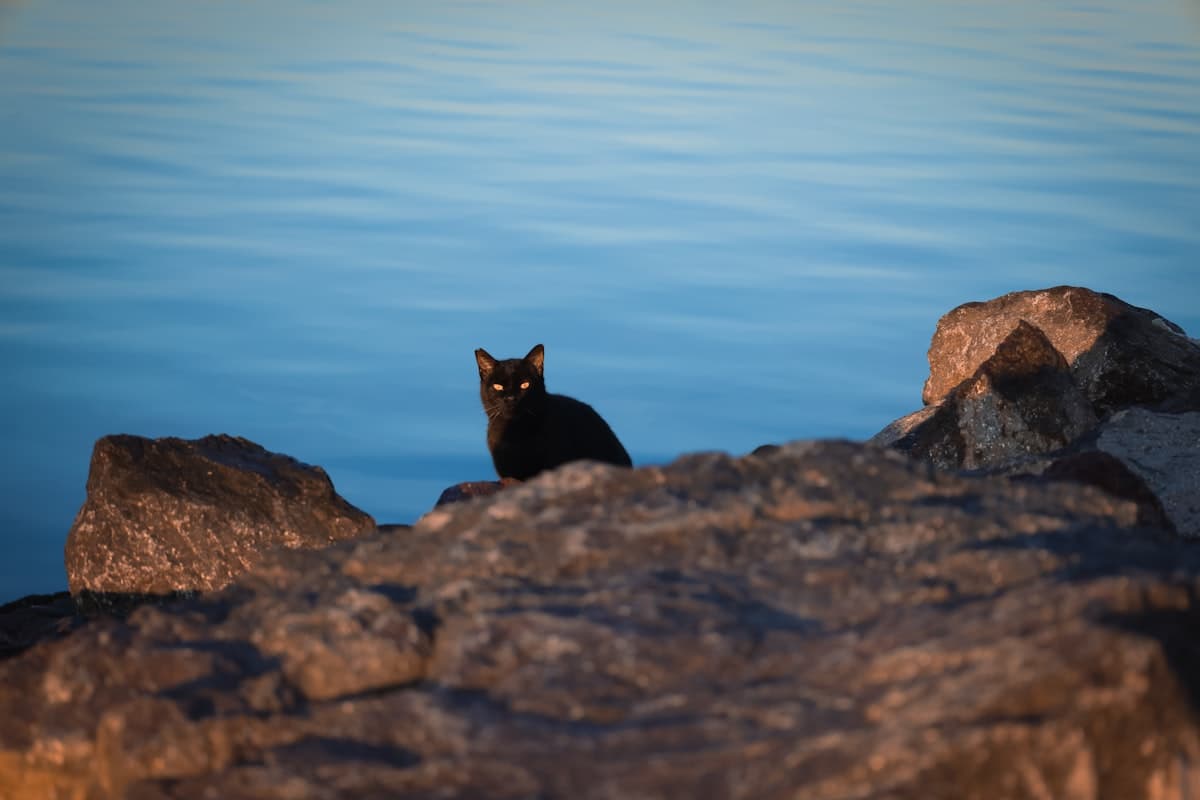
If you have ever watched a cat launch themselves off a bathroom counter at the mere sound of a running faucet, you have probably wondered what exactly is going on in that fuzzy little head. I have dug through decades of feline behavior research, veterinary guidance, and evolutionary biology to answer one of the most common questions in the cat-loving world: why do cats hate water? And the answer, as it turns out, is far more interesting than a simple "they just do."
Let us walk through the science, the myths, and the surprising exceptions - because the truth about cats and water is a lot more nuanced than the cartoons would have you believe.
Do All Cats Actually Hate Water?
Here is the first myth I want to debunk right out of the gate: not all cats hate water. In fact, some cats are genuinely fascinated by it, and a handful of breeds actively enjoy getting wet.
The idea that every feline on the planet recoils at the sight of a puddle is a generalization that does not hold up under scrutiny. The Cornell Feline Health Center at Cornell University's College of Veterinary Medicine notes that individual cats vary widely in their tolerance of water, and that breed, early exposure, and personality all play a role. If you have a cat who loves to sit on the edge of the bathtub and bat at the stream from the tap, you are not alone - that behavior is incredibly common, and it is a clue that the relationship between cats and water is more complicated than "hate."
So before we dig into why so many cats do dislike being submerged, let us acknowledge that the feline relationship with water exists on a spectrum, not a switch.
The Evolutionary Reason: Desert Ancestors
To understand why most domestic cats are not thrilled about getting soaked, we have to go back - way back, to the origins of the species. Domestic cats (Felis catus) are descended from the African wildcat, Felis lybica, a small wild feline native to the arid regions of North Africa and the Near East. This is the ancestor that ultimately gave rise to every housecat curled up on your sofa today.
The key detail here is the environment. Felis lybica evolved in desert and semi-arid landscapes where standing water was scarce. These cats did not need to swim to survive. They did not cross rivers to hunt. They did not cool off in ponds. Water, in their world, was something you drank carefully and avoided otherwise. There was no evolutionary pressure to develop comfort in water, and so no strong swimming instinct or water-repellent coat was selected for over thousands of generations.
Compare that with dogs, many of whom were bred specifically to retrieve game from water - the Labrador Retriever, the Portuguese Water Dog, the Nova Scotia Duck Tolling Retriever. These breeds were shaped by humans to love water. Cats, by contrast, were domesticated primarily for pest control around grain stores. Nobody was breeding a cat to jump into a lake.
The Merck Veterinary Manual reinforces this understanding of feline origins, describing the domestic cat's close relationship to desert-dwelling wildcats and their adaptation to dry environments. When your cat acts like a few drops of water are a personal insult, they are channeling thousands of years of desert ancestry.
The Fur Problem: Why Wet Fur Is a Cat's Worst Nightmare
Evolution aside, there is a very practical, physical reason cats detest getting wet, and it comes down to their coat.
A dog's fur - particularly in water breeds - has a dense undercoat that traps air and provides insulation and buoyancy, plus oily guard hairs that help repel water. A cat's fur is different. While cat fur does have a layered structure with guard hairs and an undercoat, it is not nearly as water-repellent as a dog's coat. When a cat gets submerged, the fur absorbs water rapidly, becoming heavy, matted, and waterlogged.
This matters because cats rely on their fur for thermoregulation. A soaked coat loses its insulating properties. The air pockets that normally keep a cat warm collapse, and suddenly that lightweight, agile body is carrying a heavy, cold, clingy layer of wet fur. For an animal that weighs as little as eight or ten pounds, that added weight and lost warmth is genuinely uncomfortable, even alarming.
Wet fur also takes a remarkably long time to dry on a cat. Their coats are dense and fine, and without the help of a towel or a hair dryer on a low setting, a cat can stay damp for hours. During that time, their body temperature can drop, which is why you will often see a wet cat shivering. The discomfort is real and immediate - it is not melodrama.
Why Water Feels So Uncomfortable
Let us break down the sensory experience from the cat's perspective, because understanding discomfort is the first step toward working with it rather than against it.
When a cat's fur gets soaked, several things happen at once. First, the coat loses its loft and clings to the skin, which feels restrictive and unfamiliar to an animal that prizes freedom of movement. Second, the evaporation of water from the fur draws heat away from the body - the same reason we feel cold stepping out of a pool. Third, a wet cat cannot groom effectively until they are at least partially dry, which removes one of their primary coping mechanisms and sources of comfort.
Cats also have an extremely acute sense of touch. Their whiskers and the guard hairs across their body are sensitive sensory organs. When those hairs are weighed down with water, the cat is receiving confusing, unpleasant sensory input. It is not just that water is cold - it is that water disrupts the very system cats use to understand their environment.
Animal behavior researchers who study feline stress responses have documented that forced immersion in water can elevate cortisol and heart rate in cats, signs of genuine physiological stress. This is not a cat being dramatic. Their body is reacting to something it perceives as a threat.
The Swimming Instinct Gap: Cats vs. Dogs
Here is something that surprises a lot of people: cats can swim. If you drop a cat into water (please do not - we will get to why), most cats will paddle instinctively and keep their head above water. They are not physically incapable of swimming. But there is a big difference between being able to swim and wanting to swim.
Dogs, particularly water breeds, often have an enthusiastic swimming instinct. They will leap into a lake with apparent joy, paddle with their whole body, and seem to relish the experience. Cats, by contrast, swim the way most humans swim in a riptide - as an emergency survival behavior, not a recreational activity. They paddle efficiently but tensely, with a singular goal: get out.
The difference comes down to domestication and breeding history. As we discussed, many dog breeds were deliberately selected for water work. Cats were not. The swimming ability cats possess is a baseline mammalian reflex - most mammals can paddle to some degree - not a honed, rewarded behavior. So when a cat swims, they are tapping into a last-resort survival instinct, which is exactly why it looks so frantic and why they avoid it whenever possible.
Why Some Cats Are Fascinated by Running Water
If cats hate water so much, why does your cat sit on the bathroom sink and stare at the faucet like it is the most mesmerizing thing in the house? Why do some cats drink exclusively from a running tap and refuse a still bowl?
This apparent contradiction actually makes perfect sense when you think about it. There is a big difference between observing and interacting with running water and being submerged in it. A cat batting at a stream from the tap is engaging their hunting instincts - the movement triggers the same predatory fascination as a dangling toy. They are not getting soaked; they are playing.
There is also a water-quality instinct at work. In nature, running water is typically fresher and safer than standing water, which can harbor bacteria and parasites. Cats' wild ancestors learned to seek out moving water sources. This is why products like pet fountains are so popular - they tap into a deep-seated preference for water that moves.
The ASPCA and other animal welfare organizations recommend pet fountains specifically because many cats drink more water when it is running, which helps prevent urinary and kidney issues. So a cat who loves the faucet is not contradicting their water-hating nature - they are expressing a completely different instinct about hydration and play.
The Breeds That Break the Rule
Now let us talk about the cats who genuinely do not mind - or even enjoy - water. Several breeds are famous for their unusual relationship with it, and their histories explain why.
The Turkish Van
The Turkish Van is perhaps the most famous water-loving breed. These cats originated in the Lake Van region of eastern Turkey, and they have a long, well-documented history of swimming. The breed is sometimes called the "swimming cat," and many Turkish Vans will happily wade into shallow water or even swim given the opportunity. Their semi-longhaired coat has a unique, cashmere-like texture that is more water-resistant than most cats', which may help explain their comfort. The breed's connection to water is so well established that it is part of their official breed standard description.
The Bengal
The Bengal, a cross between domestic cats and the Asian leopard cat (Prionailurus bengalensis), often retains a wild affinity for water. Many Bengal owners report cats who play in their water bowls, join them in the shower, or splash in fountains. This likely stems from their wild ancestry - the Asian leopard cat inhabits regions of Asia with abundant waterways and is itself a capable swimmer. That genetic heritage can carry forward in the Bengal temperament.
The Maine Coon
The Maine Coon, one of the largest domestic breeds, is also known for water tolerance. Developed in the harsh, wet climate of New England, Maine Coons have a shaggy, water-resistant coat and a history as ship cats on sailing vessels. Many Maine Coons are fascinated by water and will play with it, though they still may not love a full bath. Their coat, with its longer guard hairs and dense undercoat, offers more protection against wetness than the average cat's.
Other Notable Mentions
The Norwegian Forest Cat and the Savannah are also frequently cited as breeds with above-average water curiosity. In each case, you can trace the tolerance back to either climate adaptation or wild ancestry. The pattern is clear: when a breed's history involved water, that comfort tends to persist.
When You Actually Need to Bathe a Cat
Here is the good news: most cats never need a bath. Cats are meticulous self-groomers. Their tongues are covered in tiny, backward-facing barbs called papillae that act like a built-in comb, removing dirt, loose hair, and debris. A healthy cat keeping themselves clean is doing exactly what thousands of years of evolution designed them to do.
So when does a bath actually become necessary? The veterinary consensus, including guidance from the Cornell Feline Health Center, is that bathing should be reserved for specific situations:
- Medical conditions: Cats with certain skin conditions, parasites, or infections may require medicated baths prescribed by a veterinarian. - Flea infestations: In some cases, a flea bath may be part of a treatment protocol, though modern flea preventatives often make this unnecessary. - Toxic exposure: If a cat gets into something poisonous, caustic, or otherwise harmful on their fur - antifreeze, oil, cleaning chemicals, certain plants - bathing becomes urgent to prevent the cat from ingesting the substance during grooming. - Mobility issues: Elderly, arthritic, or obese cats who cannot groom themselves effectively may need assistance, though a damp cloth is often sufficient before resorting to a full bath. - Severe matting: Sometimes a badly matted coat needs to be washed and detangled, though shaving is often the more humane option.
Outside of these scenarios, let your cat handle their own hygiene. Forcing baths on a clean, healthy cat causes unnecessary stress and can damage the trust between you.
How to Bathe a Cat Safely (When You Must)
If you do find yourself in a situation where a bath is genuinely necessary, here is how to do it with the least trauma possible.
First, trim your cat's claws beforehand - for your safety as much as theirs. Brush out any tangles so they do not tighten when wet. Place a rubber mat or towel in the bottom of the sink or tub so your cat has secure footing; slipping adds panic to an already stressful situation.
Use lukewarm water, never hot. Fill the basin with just a few inches before bringing the cat in, so they are not startled by the sound and spray of running water. Use a cup to pour water gently over the body, avoiding the head, ears, and eyes entirely. Use a cat-specific shampoo - human products and dog shampoos can be toxic or irritate feline skin, which has a different pH.
Work quickly. The longer the bath, the more stressed the cat. Rinse thoroughly, because leftover shampoo will be ingested when the cat grooms themselves later. Wrap your cat in a warm towel immediately and gently blot - do not rub - to remove excess water. Keep them in a warm, draft-free room until fully dry.
Throughout the entire process, stay calm and quiet. Your cat is reading your energy. If you are tense and rushed, they will be too.
Tips for Getting a Cat Used to Water
If you want to raise a cat who tolerates water - whether for future medical needs or just a more relaxed pet - it is possible, but it requires patience and the right approach.
Start young. Kittens are far more adaptable than adult cats. Gentle, positive exposure to water during the socialization period (roughly two to seven weeks, though it extends somewhat beyond that) can create lasting comfort. If you adopt a kitten, letting them explore a damp sink or a shallow, warm puddle in the tub - with no pressure - can lay groundwork.
Make it positive. Pair every interaction with water with something the cat loves. Treats, praise, play. The goal is to build a positive association so that water predicts good things, not scary things.
Go at the cat's pace. Let them investigate on their own terms. Never force contact with water. If your cat backs away, let them. Pushing past their comfort zone does not build tolerance - it builds fear.
Keep sessions short. A few seconds of paw-dampening followed by a treat is far more effective than a prolonged ordeal. Multiple brief, positive encounters beat one long, stressful one every time.
Use running water as a bridge. Since many cats are already curious about taps and fountains, you can use that fascination as a gentle entry point. Let them play with the stream, get their paws wet on their own, and learn that water is not always a threat.
The core principle, endorsed by behaviorists and organizations like the International Association of Animal Behavior Consultants, is simple: voluntary, positive, gradual exposure. Forced exposure does the opposite of what you want.
Why You Should Never Throw a Cat Into Water
This should go without saying, but given the number of videos online, it apparently does not: never throw or force a cat into water. Not as a joke, not to "teach them to swim," not because you think it will be funny.
Doing so is not just unkind - it is genuinely harmful. A cat plunged into water against their will experiences acute terror. Their stress response spikes, and the experience can create a lasting phobia that makes future necessary care - like a medicated bath from your vet - exponentially harder.
More importantly, it shatters trust. Cats are animals who build security on predictability and safety with their humans. When you force them into a terrifying situation for your amusement, you teach them that you are a source of danger, not comfort. That bond, once broken, is hard to rebuild.
There is also a physical danger. A panicked cat in water can inhale water, develop aspiration pneumonia, or injure themselves thrashing to escape. Cats can also scratch and bite severely when in a state of panic, putting you at risk too.
If you would not want to be shoved fully clothed into cold water by someone twice your size, do not do it to your cat. Empathy is not a hard bar to clear.
The Bigger Myth: Wild Cats and Water
Finally, let us zoom out from domestic cats entirely, because the myth that "cats hate water" falls apart completely when you look at the broader feline family.
Tigers love water. They are powerful swimmers who will readily enter rivers and lakes, sometimes to cool off, sometimes to hunt. Tigers in the Sundarbans are known to swim for miles between islands.
Jaguars are perhaps the most water-oriented big cat. They hunt in and around rivers, catching fish, turtles, and even caimans. They have been recorded swimming with prey in their jaws.
Lions, while not as aquatic as tigers or jaguars, will swim when necessary, crossing rivers in the Okavango Delta and elsewhere.
Even smaller wild cats show water comfort. The fishing cat (Prionailurus viverrinus), native to South and Southeast Asia, is a dedicated swimmer that hunts fish and frogs in wetlands. The leopard cat, ancestor of the Bengal, is similarly comfortable around water.
So the "cats hate water" trope is really a domestic cat phenomenon, rooted in the specific evolutionary path of Felis lybica. The feline family as a whole has no problem with water - it is just that our particular housecats come from a desert lineage that never needed it.
Understanding this distinction helps us be better, more compassionate cat guardians. Your cat is not being difficult or silly when they recoil from a bath. They are being exactly what thousands of years made them: a desert-adapted, fastidiously clean, self-reliant little predator who simply was not built for the bathtub. And the breeds who do love water? They are reminders that the feline world is full of wonderful exceptions.
Keep reading
If you found this helpful, you might also like our guides on how catnip and purring compare, catnip as a play tool and whether catnip is about pleasure.
Further reading
Love learning about cats? Adopt a virtual cat pet and level it up by joining our community.
Comments (0)
Join the conversation
Sign up to share your thoughts.
Loading comments...