Why Do Cats Sleep So Much? What 16 Hours of Naps Really Means

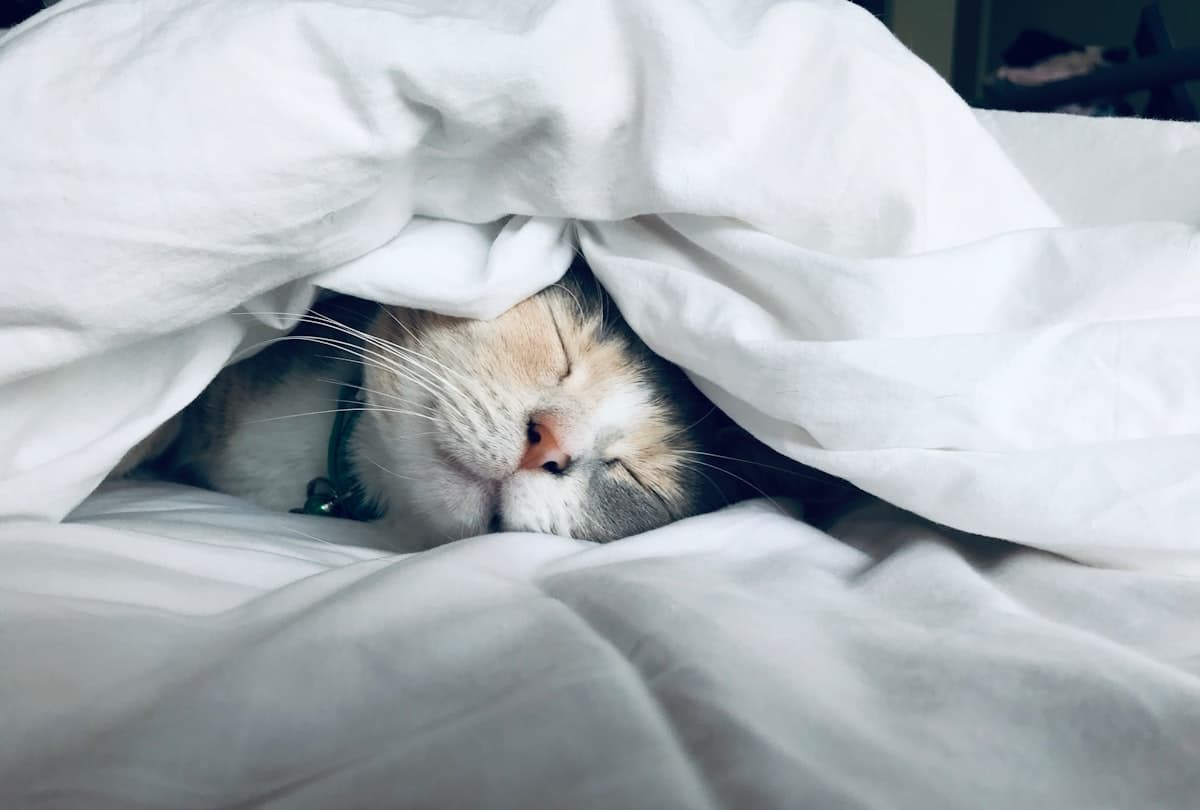
I have dug through decades of feline veterinary research, behavioral studies, and sleep science to answer one of the most common questions every cat guardian eventually asks: why does my cat sleep so much? If you have ever watched your cat doze for what feels like the entire day, only to sprint through the hallway at 3 a.m., you are not alone. Let us walk through everything science and veterinary medicine can tell us about feline sleep - and how to know when all that snoozing is perfectly normal, and when it might be a sign that something is wrong.
How Much Do Cats Actually Sleep?
If you have ever wondered whether your cat is sleeping too much, the short answer is probably not. According to the Cornell Feline Health Center, the average adult cat sleeps between 12 and 16 hours per day, and some cats sleep up to 18 hours. Kittens and senior cats can sleep even more - sometimes up to 20 hours a day - and this is considered completely normal.
That means a healthy adult cat spends roughly two-thirds of their life asleep. Compared to humans, who average around seven to nine hours, this sounds excessive. But cats are not small, furry humans. Their biology, their evolutionary history, and their status as predators all shape a sleep pattern that looks strange to us but is perfectly designed for a cat.
The Merck Veterinary Manual notes that feline sleep is polyphasic, meaning it is broken up into multiple shorter blocks throughout the day and night rather than consolidated into one long stretch the way human sleep is. A cat does not simply lie down for eight hours. Instead, they take dozens of naps - some lasting only a few minutes, others stretching to an hour or more - scattered across the entire 24-hour cycle.
Why Cats Sleep So Much: The Crepuscular Hunter
To understand why cats sleep so much, you have to understand what they evolved to be. Domestic cats are crepuscular predators, meaning they are most active during the twilight hours of dawn and dusk. This is when their natural prey - small rodents, birds, and insects - are also most active.
The VCA Animal Hospitals explain that this crepuscular pattern is deeply hardwired into domestic cats, even those who have never set paw outside. That 5 a.m. wake-up call or the burst of energy at sunset is not your cat being difficult. It is their internal clock telling them it is time to hunt.
Hunting, even for a cat who gets their meals from a bowl, is an extraordinarily energy-intensive activity. A cat hunting in the wild might stalk, sprint, pounce, and climb multiple times in a single evening, and these bursts of anaerobic effort burn through enormous amounts of energy relative to their small body size. The evolutionary solution to this energy demand is simple: sleep. Cats conserve energy during the long stretches between hunts so they have the fuel they need for those intense bursts of activity.
This is why even a well-fed indoor cat who has never caught anything more demanding than a laser pointer still sleeps like a lion. The behavior is written into their genes. As the American Society for the Prevention of Cruelty to Animals (ASPCA) and feline behaviorists like Dr. John Bradshaw of the University of Bristol have noted, domestic cats retain nearly all the behavioral patterns of their wild ancestors, including their sleep-wake cycles and hunting rhythms.
The Evolutionary Origin: Small Prey, Big Energy Costs
The African wildcat (Felis lybica), the direct ancestor of all domestic cats, hunted small prey - mice, voles, shrews, and small birds. Each of these prey animals provides only a small number of calories. A single mouse might contain around 30 to 35 calories. That means a wildcat needed to catch many prey animals each day to survive, and each hunt carried a real risk of failure and a real cost in energy.
When the payoff for a hunt is small and the energy cost is high, the math favors conserving energy whenever possible. Cats that slept more and hunted efficiently during peak prey-activity hours survived and passed on their genes. Over thousands of generations, this produced an animal that is exquisitely tuned to rest deeply and hunt intensely.
This is also why cats, unlike dogs or humans, do not typically engage in long, sustained physical activity. They are built for short, explosive bursts - a sprint of a few seconds, a pounce, a climb - followed by long recovery periods. Dr. Tony Buffington, a veterinary nutritionist and feline welfare researcher formerly at Ohio State University, has emphasized that the domestic cat's entire physiology, from their muscle fiber composition to their metabolism, reflects this feast-or-burst hunting strategy.
Understanding Cat Sleep Cycles: The Catnap Explained
Not all cat sleep is created equal. Feline sleep, like human sleep, cycles through different stages, and understanding these stages helps explain why your cat seems to be sleeping but springs awake the instant you open a cabinet.
Light sleep, sometimes called slow-wave sleep, makes up the majority of a cat's rest. During light sleep, a cat remains alert to their environment. Their ears may swivel toward sounds, and they can wake almost instantly. This is the classic catnap - the curled-up-but-not-fully-out pose, often with one eye slightly open or the head resting upright rather than tucked in. Light sleep typically lasts 15 to 30 minutes at a stretch.
Deep sleep, also called paradoxical sleep or REM (rapid eye movement) sleep, is when the body truly rests and recovers. During deep sleep, a cat's muscles relax fully, they may stretch out on their side, and their brain activity changes significantly. Deep sleep periods are shorter - usually around 6 to 7 minutes - and they alternate with light sleep throughout a nap cycle.
The sleep researcher Michel Jouvet, whose pioneering work in the 1960s at the University of Lyon studied sleep in cats extensively, discovered much of what we know about REM sleep by observing feline subjects. Jouvet's research showed that cats, like humans, cycle through distinct sleep stages and that REM sleep plays a critical role in rest and neurological recovery.
Do Cats Dream? REM Sleep and Twitching Paws
If you have ever watched your cat's paws twitch, their whiskers flutter, or their mouth make small chewing motions while they sleep, you have probably wondered whether they are dreaming. The answer, based on decades of research, is almost certainly yes.
Jouvet's studies on cats were actually some of the first to demonstrate that REM sleep - the stage associated with dreaming in humans - exists in felines. During REM sleep, a cat's brain activity patterns resemble their brain activity while awake. Their eyes move beneath closed lids, their paws may twitch, and their tail may flick. These movements are thought to be fragments of the actions they "rehearse" in dreams - stalking, pouncing, grooming.
Research in sleep science has shown that the brainstem normally suppresses muscle movement during REM sleep to prevent the body from acting out dreams. In cats, this suppression is not always complete, which is why you can see those telltale twitches and small movements. If your cat's paws paddle gently while they sleep, they are likely dreaming of a hunt.
This dreaming phase is important. Sleep researchers believe REM sleep plays a role in memory consolidation, learning, and emotional processing. For a cat, dreaming may help reinforce the hunting and survival skills they practice during waking hours - which is why kittens, who are learning the most, seem to twitch and dream so much more than adults.
How Age Changes Sleep Patterns
A cat's sleep needs shift dramatically across their lifespan, and understanding these shifts can help you recognize what is normal for your particular cat.
Kittens: The Sleep-Grow Cycle
Kittens are the champions of sleep. A young kitten can sleep up to 20 hours a day, and this is essential for their development. Sleep is when kittens grow - their bodies release growth hormone during deep sleep, and their brains consolidate the enormous amount of learning they do every day. A kitten who is exploring, playing, stalking, and pouncing for a few hours is burning energy at a tremendous rate, and they need long sleep periods to recover and grow.
If your kitten seems to fall asleep mid-play, collapsing into a tiny heap after a burst of energy, this is completely normal. Their batteries drain quickly and recharge quickly.
Adult Cats: The 12-to-16-Hour Baseline
Adult cats, roughly between the ages of 1 and 10 years, settle into the 12 to 16 hour average that Cornell and other veterinary sources cite. Their sleep becomes more predictable but still follows the polyphasic, crepuscular pattern. An adult indoor cat will often settle into a routine that mirrors their household's rhythm - sleeping more when the house is quiet and becoming more active when people are home, especially in the early morning and evening.
Senior Cats: More Sleep, Deeper Rest
As cats enter their senior years - typically around age 11 and older - their sleep needs increase again. Senior cats may sleep 16 to 20 hours a day, and their sleep often becomes deeper and less easily interrupted. This increase reflects the natural slowing of an aging body. Older cats may also sleep more due to age-related conditions such as arthritis, which makes movement less comfortable, or declining kidney function, which can cause fatigue.
The International Cat Care charity notes that changes in an older cat's sleep patterns are worth paying attention to, not because more sleep is inherently alarming in a senior, but because the type of change matters. A gradual increase in sleep is normal aging. A sudden shift is not.
When Is Excessive Sleep a Sign of Illness?
This is the question that matters most to many cat guardians, and it is where I want to be very clear: sleeping a lot is not, by itself, a sign of illness in a cat. Cats sleep a lot. That is what they do. What veterinarians look for is not the total amount of sleep but changes in sleep patterns and behavior.
The Cornell Feline Health Center and the American Veterinary Medical Association (AVMA) both emphasize that cats are masters at hiding illness. In the wild, a sick animal is a vulnerable animal, so cats evolved to mask signs of disease until they can no longer compensate. This means that by the time a cat looks obviously sick, they may have been ill for some time. Sleep changes are often one of the earliest, subtlest clues.
Red Flags to Watch For
Here are the specific sleep-related changes that warrant a call to your veterinarian:
- A sudden increase in sleep - if a cat who normally sleeps 14 hours is suddenly sleeping 20 and is hard to rouse, this can signal illness. - Lethargy - lethargy is not the same as sleepiness. A lethargic cat is unresponsive, disinterested in food or play, and may not react normally to being touched or called. - Hiding - a cat who suddenly starts sleeping in unusual, secluded places (under beds, in closets, behind furniture) may be feeling vulnerable or unwell. Cats often hide when they are sick. - A sudden decrease in sleep - restlessness, pacing at night, or inability to settle can signal pain, hyperthyroidism, or cognitive dysfunction in older cats. - Sleeping in a hunched position - a cat sleeping with their head pressed down, back hunched, and paws tucked tightly under their body may be in pain or experiencing breathing difficulty. - Changes in sleep location - a cat who suddenly stops sleeping in their favorite warm spot and seeks out cool floors may have a fever; a cat who seeks excessive warmth may be trying to conserve energy due to illness.
Common medical causes of increased sleep or lethargy in cats include kidney disease, hyperthyroidism, diabetes, anemia, infections, and pain from dental disease or arthritis. If you notice any of these changes, a veterinary exam is the right next step - do not wait.
Indoor vs. Outdoor Cats: Does It Change Sleep?
The environment a cat lives in shapes their sleep, sometimes significantly.
Outdoor and indoor-outdoor cats tend to sleep somewhat less during the day than strictly indoor cats, because they are actively engaged in hunting, patrolling territory, and responding to environmental stimuli. Their sleep is more fragmented and more closely tied to the natural light-dark cycle and prey-availability patterns. However, outdoor cats also face far greater risks - traffic, predators, disease, and injury - and their sleep is lighter and more vigilant because they must remain alert to danger.
Indoor cats often sleep more total hours because they have fewer reasons to be awake. There is no territory to patrol, no prey to stalk (beyond the occasional toy), and no environmental unpredictability. This is not a problem in itself, but it does mean that indoor cats are more prone to boredom, obesity, and disrupted sleep-wake cycles - especially if their environment lacks stimulation.
Dr. Ilona Rodan, a feline veterinarian and past president of the American Association of Feline Practitioners, has written extensively about how environmental enrichment helps indoor cats maintain more natural activity and sleep patterns. A cat with things to do - climbing structures, window perches, interactive play, puzzle feeders - will sleep more naturally and be less prone to the 3 a.m. zoomies that drive their humans to distraction.
Should You Wake a Sleeping Cat?
There is an old piece of advice that says "let sleeping cats lie," and like most old advice about cats, it has a kernel of truth. In general, you should avoid waking a sleeping cat unless it is necessary.
Cats, especially older ones, can be disoriented and startled when woken suddenly from deep sleep. A cat jerked awake may react defensively - a swat, a bite, or a frightened scramble - not because they are aggressive, but because their startle response kicked in before they were fully conscious. This is particularly true for cats who are deaf or hard of hearing, who may not have the warning of approaching footsteps.
If you must wake your cat - to move them to a carrier, to give medication, or to prevent them from sleeping through a feeding schedule they need - do it gently. Speak softly, let your presence register, and touch them lightly rather than startling them. Never grab a sleeping cat.
There is one exception worth noting: if your cat is sleeping so deeply and so much that you cannot rouse them, or if they seem unresponsive, treat this as a medical emergency and contact your veterinarian immediately.
Helping Your Cat Sleep Better at Night
If your cat's nocturnal tendencies are disrupting your sleep, there are proven, enrichment-based strategies that can help shift their rhythm without fighting their nature.
Play Before Bed
A vigorous play session in the evening - ideally 15 to 20 minutes of interactive play with a wand toy that mimics prey - lets your cat act out their hunting sequence: stalk, chase, pounce, catch. This burns off energy and satisfies their predatory instincts, which makes them more likely to settle down for a long rest afterward.
Feed a "Last Hunt" Meal
In nature, a cat hunts, eats, grooms, and then sleeps. You can replicate this sequence at home. After the evening play session, feed your cat a small meal. The combination of physical exertion followed by a satisfying meal mimics the natural hunt-eat-sleep cycle and encourages deeper, longer sleep.
Establish a Consistent Routine
Cats are creatures of habit. Feeding, play, and attention at consistent times each day helps regulate their internal clock. The VCA Animal Hospitals note that predictable routines reduce stress and help cats feel secure, which in turn supports healthier sleep.
Provide Daytime Enrichment
A cat who has nothing to do all day will sleep out of boredom and then be wide awake at night. Window perches, food puzzles, climbing trees, and short play sessions during the day keep your cat engaged so that their nighttime sleep is more restful - and yours is too.
Avoid Feeding at 4 a.m.
If your cat wakes you for food and you get up and feed them, you have just taught them that 4 a.m. is feeding time. They will keep doing it. Instead, use an automatic feeder set for a consistent early-morning time, or ignore the wake-up calls and feed only at your chosen times. Breaking this cycle takes patience, but it works.
The Bottom Line
Cats sleep a lot because they are built to. Their crepuscular hunting heritage, their need to conserve energy for intense bursts of activity, and their polyphasic sleep cycles all combine to create an animal who naturally spends most of their life resting. Kittens and seniors sleep the most; healthy adults settle into a 12-to-16-hour rhythm that is nothing to worry about.
What you should watch for is not the amount of sleep but the pattern - sudden changes, lethargy, hiding, restlessness, or anything that feels off. When in doubt, call your vet. Cats hide illness well, and you know your cat better than anyone. Trust that instinct.
In the meantime, let your cat sleep. They are not being lazy. They are being a cat - a small, efficient, beautifully engineered predator resting up for the next hunt, even if the only thing they ever catch is a sunbeam.
Keep reading
If you found this helpful, you might also like our guides on how spaying extends lifespan, how diet affects longevity and why happiness matters for lifespan.
Further reading
Love learning about cats? Adopt a virtual cat pet and level it up by joining our community.
Related reading: Why Does My Cat Sleep on My Chest?.
Comments (0)
Join the conversation
Sign up to share your thoughts.
Loading comments...