Why Does My Cat Have the Zoomies?
The science behind those mad dashes through the house at 3 AM, and when you should actually worry

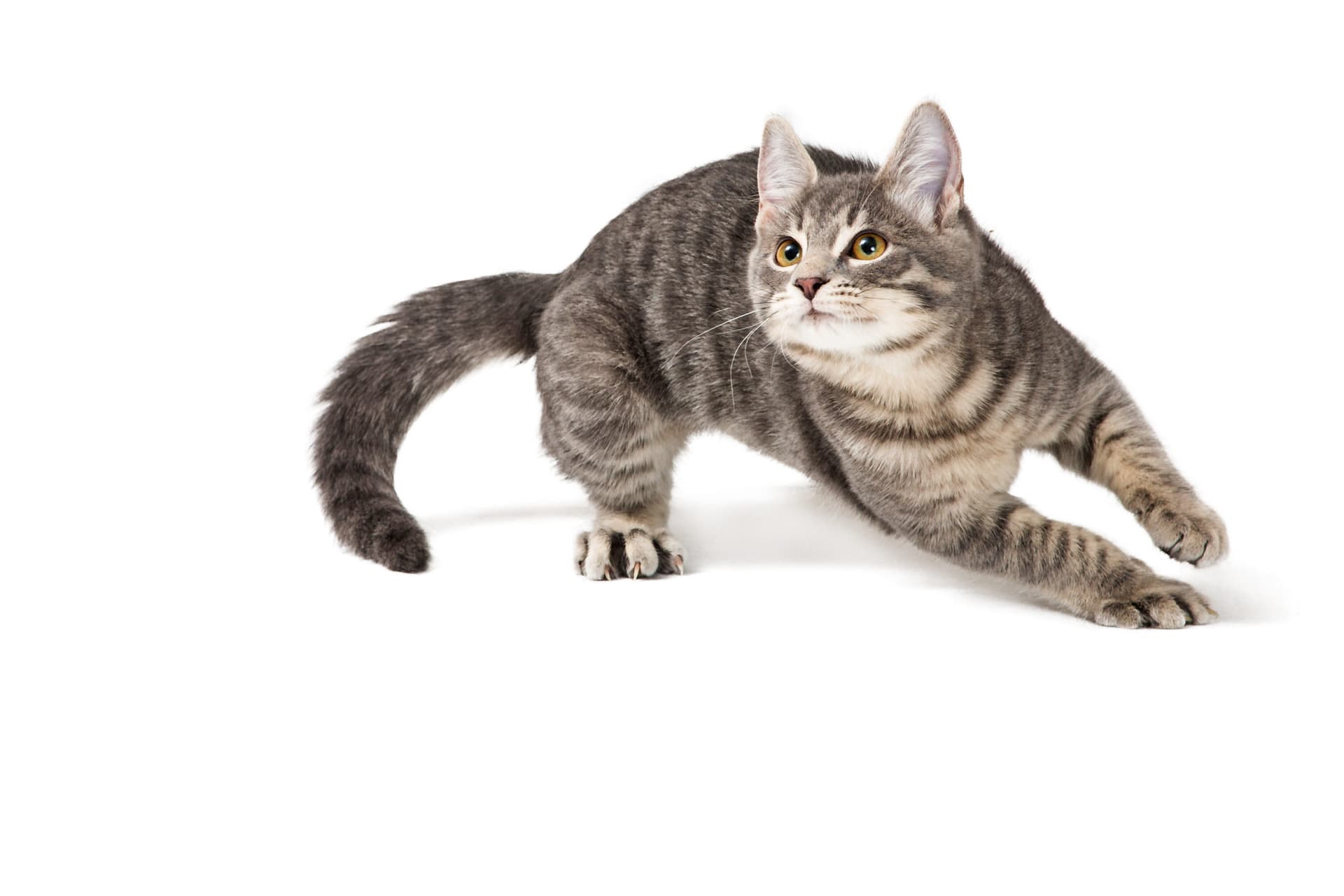
It is 3 AM. You are asleep. Your cat is asleep. Then, without warning, your cat transforms from a peaceful fur puddle into a furry missile, tearing through the hallway, banking off the couch, skidding across the kitchen floor, and disappearing behind the refrigerator. You sit up in bed wondering if someone broke in. No. Your cat just has the zoomies.
If you have a cat, this has happened to you. The zoomies are one of the most universal and most bewildering cat behaviors. One second your cat is napping, the next they are running laps around your living room like they are being chased by something invisible. It looks like they have completely lost their mind. They have not. What they have done is something that has an actual scientific name, a biological explanation, and a very good reason behind it.
The scientific term for the zoomies is frenetic random activity periods, or FRAPs. Yes, that is a real term used by veterinarians and animal behavior researchers. It refers to those short, intense bursts of explosive energy that cats, dogs, rabbits, and even elephants experience. In rabbits, the same behavior is called a binky. In cats, it is the zoomies, the midnight crazies, the mad half hour, or, if you want to sound like you read textbooks for fun, a FRAP.
Here is the honest truth up front. There is not a lot of dedicated research on why cats get the zoomies. As Dr. Alison Gerken, a veterinary behaviorist at the San Francisco SPCA, notes, there is no definitive research on why it happens. But there is a solid body of behavioral science and veterinary knowledge that explains what is going on, and it comes down to a combination of pent-up energy, hunting instinct, biological programming, and, in some cases, a nerve in your cat's gut that you have probably never heard of.
The energy explanation: cats are built for short bursts
To understand the zoomies, you have to understand how cats are built. Cats are not marathon runners. They are sprinters. In the wild, a cat's hunting strategy is based on short, explosive bursts of energy. They stalk, they wait, they stay perfectly still, and then they explode into action for a few seconds to chase down prey. After that burst, they rest. The whole cycle, what behavior experts call the predatory cycle, is hunt, eat, groom, sleep, repeat.
Now think about the typical indoor cat. They do not hunt. They do not chase down meals. They eat from a bowl, they sleep for 12 to 18 hours a day, and they spend the rest of their time doing approximately nothing. All of that hunting energy, the energy that would normally be spent stalking, chasing, and catching prey, has nowhere to go. It builds up. And when it builds up enough, it comes out all at once. That is the zoomie.
Dr. Gerken describes it this way. Playful zoomies often occur when a cat has been inactive and suddenly feels energized. In these cases, the cat will typically show relaxed body language: ears in a neutral or forward position, tail upright or gently swishing, and possibly making playful sounds like chirps or meows. In other words, your cat is not having a breakdown. They are doing exactly what their body was built to do, releasing stored energy in a short, intense burst, just like they would if they were chasing a mouse.
This is also why zoomies are more common in indoor cats and in younger cats. Indoor cats do not have the same opportunities to burn energy through hunting, climbing, patrolling territory, and all the other things outdoor cats do. And kittens and young cats simply have more energy to burn. As Dr. Gerken notes, young cats, especially kittens, tend to have frequent and intense zoomies due to their high energy levels and rapid growth. These bursts of activity help practice essential skills like agility, coordination, and motor control.
The crepuscular explanation: why it happens at 3 AM
So the energy explanation covers why cats get the zoomies. But it does not explain the timing. Why does it always seem to happen at the worst possible moment, usually in the middle of the night or very early in the morning?
The answer is that cats are not nocturnal, which is a common misconception. They are crepuscular. Crepuscular animals are most active at dawn and dusk. This is because cats evolved to hunt during twilight hours, when their prey, small rodents and birds, are most active. Cats can see about six times better than humans in low light, which gives them a huge advantage at dawn and dusk. The twilight hours also protect cats from larger predators that hunt during the day or the deepest part of the night.
So when your cat starts sprinting around the house at 3 AM or just before dawn, they are not being random. Their internal clock is telling them it is hunting time. In the wild, this is when they would be out stalking prey. In your house, there is no prey, so the hunting energy comes out as a lap around the living room instead. As Dr. Gerken explains, since cats are crepuscular, meaning they are most active at dawn and dusk, it is no surprise that many pet parents notice zoomies happening during the early morning or evening hours.
This also explains why cats seem to have a second zoomie session in the early evening. Dusk is the other peak hunting time. If your cat goes crazy around 6 or 7 PM, that is their body saying it is time to hunt. The fact that you just got home from work and want to relax is, unfortunately, irrelevant to your cat's evolutionary programming.
The hunting instinct: it is not just running, it is practicing
There is more going on during a zoomie than just burning energy. The specific movements your cat makes during a FRAP, the sudden sprints, the sharp turns, the jumps, the quick stops, are all components of the hunting sequence. Dr. Gerken notes that zoomies may originate from cats' natural predatory instincts, as the bursts of activity with their sudden sprints and sharp turns may represent hunting behaviors.
Think about what a cat does when hunting. They stalk, they chase, they pounce, they make sharp turns to follow prey that changes direction, and they make explosive jumps to catch something that tries to escape. Now watch your cat during a zoomie. They are doing the same things. They are just doing them without a target. The behavior is hardwired into their brain, and when the energy builds up enough, it comes out whether there is prey or not.
This is why zoomies are actually a good sign. They mean your cat's predatory instincts are intact and their body is working the way it is supposed to. A cat that never gets the zoomies may be getting enough exercise and stimulation, which is great, or they may be too sedentary, overweight, or in pain, which is not great. As a general rule, a cat that occasionally explodes into a sprint around the house is a healthy, normal cat doing healthy, normal cat things.
The litter box zoomies: yes, there is a reason for that one too
If you have noticed your cat blasting out of the litter box and tearing through the house after doing their business, you are not alone. This is one of the most common and most discussed zoomie triggers, and it has a surprisingly specific biological explanation.
It comes down to the vagus nerve. The vagus nerve is a long nerve that runs from the brain down through the chest and into the abdomen, and it plays a role in a whole range of bodily functions, including digestion and heart rate. When a cat passes a large bowel movement, the physical act of defecation can stimulate the vagus nerve. This stimulation can cause a drop in blood pressure and heart rate, and it can trigger a release of endorphins, the body's natural feel-good chemicals. The result is what some researchers and vets have called, somewhat jokingly, poo-phoria. Your cat literally feels a rush of relief and euphoria after going to the bathroom, and they sprint away from the litter box because they feel good.
Dr. Elizabeth Stelow, chief of the behavior service at UC Davis and a board-certified veterinary behaviorist, explains it directly. We know that defecating stimulates the vagus nerve, which can lead to a feeling of release or relief. Depending on the cat's personality, that might lead to excitement and zoomies. We see this in dogs, too. So the post-poop sprint is not random. It is your cat's nervous system responding to a physical event, and the response happens to be a burst of energy.
There is a less pleasant possible explanation for litter box zoomies that is worth knowing about. If your cat is sprinting away from the litter box because they are in pain or uncomfortable, that is a different story. Constipation, diarrhea, or urinary tract issues can make going to the bathroom painful, and a cat may bolt from the box to get away from the source of the pain. If the litter box zoomies are new, or if your cat is also crying in the box, spending a long time in the box, or having abnormal stool, talk to your vet. The difference between poo-phoria and pain is usually visible in the litter box itself.
Other common zoomie triggers
While energy, crepuscular timing, and litter box relief are the big three, there are a few other common triggers that can set off a FRAP.
After a nap. Cats sleep a lot, and when they wake up, they sometimes need to shake off the cobwebs and get their body moving. A post-nap zoomie is basically the cat equivalent of a morning stretch.
After you come home. The return of an owner is a common FRAP trigger, according to veterinary experts. Your cat is excited, and that excitement comes out as a burst of energy. This is a positive sign. It means your cat is happy to see you.
After a bath. If you have ever bathed your cat and watched them tear around the house afterward, you have witnessed a post-bath zoomie. This is partly about drying off and partly about the relief of escaping the water. It is also a response to the stress of the bath itself, which cats generally hate.
During or after play. Sometimes a play session ramps a cat up so much that they transition from playing to full zoomie mode. This is normal and just means the play was effective at getting their energy up.
After eating. Less common than the others, but some cats get a burst of energy after a meal. This may be related to the energy intake itself or to the satisfaction of having eaten.
How long do zoomies last?
Not long. Most zoomie episodes last from a few seconds to a couple of minutes. Dr. Barrett, a veterinarian quoted in Fetch Pet Insurance, notes that most cats cannot sustain the zoomies for more than a minute or so. It is such a high-intensity expulsion of energy and cats are nappers, not sprinters. They usually do not last longer than one to two minutes, but they leave a lasting impression.
The episode ends as abruptly as it began. One second your cat is a blur of fur tearing across the room, and the next second they are lying on the floor grooming themselves like nothing happened. This abrupt start and stop is one of the defining features of a FRAP. The energy is discharged, the nervous system resets, and the cat goes back to baseline. Some cats will even fall asleep immediately after a zoomie, which makes sense when you think about it. They just burned through a bunch of stored energy in a short burst, and now they need to recharge.
Do all cats get the zoomies?
Most do, but not all, and the frequency and intensity vary a lot from cat to cat. Kittens and young cats get the zoomies most often and most intensely, because they have the most energy and the most developing motor skills to practice. As cats age, the zoomies tend to get shorter, less frequent, and less intense. This is partly because older cats have less energy, and partly because age-related changes like decreased muscle mass and arthritis make the explosive bursts harder on the body.
Rita Reimers, a certified cat behaviorist based in Charlotte, notes that age does affect the zoomies. Cats over 10 may have arthritis, which would certainly put a damper on too much zooming. This does not mean an older cat never gets the zoomies. Some senior cats still get occasional bursts, and if an older cat who has been stiff and slow suddenly starts zooming after starting pain medication for arthritis, that is actually a positive sign that the treatment is working.
Breed and personality also play a role. Active, high-energy breeds like Bengals, Abyssinians, and Siamese tend to get more zoomies than laid-back breeds like Persians or Ragdolls. But individual personality matters more than breed. Some cats are just wired higher than others, and a cat that is naturally high-strung will zoom more than a cat that is naturally mellow, regardless of breed.
When zoomies are a sign of something wrong
Most of the time, zoomies are completely normal and completely healthy. But there are situations where zoomie-like behavior is a sign that something else is going on, and it is important to know the difference.
The first red flag is anxiety. Dr. Gerken notes that anxiety or distress can trigger zoomie-like behavior, though these episodes typically look different from playful ones. Anxious cats often appear uncoordinated or frantic during these moments. Anything from vet visits to unfamiliar people or pets in your house can cause fear-induced zooming. The key difference is in the body language. A playful zoomie cat has neutral or forward ears, an upright tail, and a relaxed expression. An anxious zoomie cat has dilated pupils, flattened ears, a puffed-up or flicking tail, and tense posture. If your cat looks terrified while they are running, it is not a zoomie. It is a panic response, and you need to figure out what is scaring them.
The second red flag is excessive frequency or intensity. Short bouts of zoomies lasting a few minutes, once or twice a day, are normal. If your cat is zooming constantly, or if the zoomies are lasting much longer than a couple of minutes, it could be a sign that they do not have enough stimulation in their life and are frustrated. Indoor cats need play, climbing space, scratching posts, and environmental enrichment. A cat that is bored out of their mind will find ways to release that energy, and it is not always going to be at a convenient time.
The third red flag, and the most important one, is a sudden change in behavior. If your cat has never been a zoomer and suddenly starts, or if their zoomies change in character, it could be a sign of a medical issue. Dr. Barrett warns that if your cat's zoomie behavior starts to increase in frequency or intensity, you should tell your veterinarian, especially if this behavior is accompanied by vocalizing or weight loss. These can be signs of hyperthyroidism or diabetes, which can cause restlessness in cats that looks very similar to zoomies.
Hyperthyroidism is particularly common in middle-aged and older cats, and it is one of the most common medical causes of zoomie-like behavior. An overactive thyroid speeds up the cat's metabolism, which makes them restless, hungry, and prone to bursts of activity. If you have an older cat who suddenly starts staying up all night, losing weight despite eating more, and acting jittery, do not write it off as zoomies. Get them to the vet for a blood test. Other medical conditions that can cause zoomie-like behavior include feline cognitive dysfunction, which is essentially dementia in cats, arthritic pain, flea or tick bites, kidney disease, and in rare cases, partial seizures. Dr. Stelow suggests that if the cat appears to be in pain, vocalizes, or seems to be running from something out of fear, pet parents should record the behavior and show it to their vet.
How to manage the midnight zoomies
If your cat's zoomies are normal but happening at inconvenient times, usually at 3 AM, there are things you can do to shift the timing and reduce the frequency. The goal is not to eliminate zoomies entirely, because they are healthy and natural. The goal is to help your cat burn that energy at a time that works for both of you.
The single most effective strategy is a vigorous play session right before bed. Cats follow a natural cycle: hunt, eat, groom, sleep. If you can replicate that cycle before your own bedtime, your cat will be more likely to sleep through the night. Get a wand toy and play hard for 15 to 20 minutes, until your cat is panting and clearly tired. Then feed them a meal. They will groom themselves, settle down, and go to sleep, just like they would after a real hunt. This is the closest thing to a silver bullet for nighttime zoomies.
During the day, make sure your cat has enough stimulation. Interactive toys, puzzle feeders, scratching posts, and vertical space to climb all help burn energy and prevent the boredom that leads to excessive zooming. If you are gone all day, leave out toys that your cat can play with on their own, and rotate them regularly so they stay novel. A cat that has had an active day is less likely to explode at midnight.
One thing you should absolutely not do is reward the midnight zoomies with attention. If your cat starts sprinting around at 3 AM and you get up to yell at them, feed them, or toss them a toy, you have just taught them that zooming at 3 AM successfully gets your attention. You have reinforced the behavior. The only way to break the cycle is to completely ignore the midnight track meet. Do not get up. Do not yell. Do not feed. If you are consistent, the behavior will eventually shift to a more convenient time, because the 3 AM session is no longer producing any reward.
Should you ever stop a zoomie?
Generally, no. Ethologist Marc Bekoff has suggested that animals should be allowed to freely engage in FRAPs as long as they are in a safe area and will not harm themselves or others. Zoomies are a natural, healthy behavior, and trying to stop them is like trying to stop your cat from scratching. You can redirect it, but you cannot eliminate the instinct.
The main reason to intervene during a zoomie is safety. If your cat is zooming around a room with fragile objects on the shelves, a hot stove, an open window, or a staircase they could fall down, you may need to either move the hazards or gently redirect the cat to a safer room. The best approach is to make the environment safe before the zoomie happens, not to chase the cat during one. Chasing a zooming cat just adds more chaos and stress to a situation that is already high-energy.
If you have a multi-cat household and one cat's zoomies are stressing out the others, you may need to give the zoomer some space. Some cats get agitated when another cat is sprinting around, and a playful zoomie can escalate into a real conflict. If this happens, separate the cats until the zoomer has settled down. Usually the whole thing is over in a minute or two and everyone goes back to normal.
The bottom line
The zoomies are one of those cat behaviors that looks bizarre but is actually deeply normal. Your cat is not broken. They are not having a seizure. They are not going crazy. They are doing exactly what their body was designed to do, which is release stored energy in a short, intense burst, practice the movements they would use to hunt, and reset their nervous system so they can go back to the important work of sleeping for 16 hours a day.
The vast majority of the time, zoomies are nothing to worry about. They are a sign of a healthy, energetic cat with intact instincts and a body that works. Enjoy them. They are funny, they are harmless, and they are one of the things that makes living with a cat entertaining. The only times to pay attention are when the zoomies are accompanied by signs of anxiety, when they suddenly increase in frequency or intensity, or when an older cat who has never been a zoomer starts zooming and also shows signs like weight loss or vocalizing. In those cases, call your vet. In every other case, just make sure the breakables are out of the way and let your cat run.
And if the 3 AM zoomies are driving you up the wall, try the bedtime play-and-feed routine. It works for most cats, it costs nothing, and it might be the difference between a full night of sleep and being woken up by a furry missile banking off your bedroom door at dawn. Your cat is not trying to annoy you. They are just being a cat. The best thing you can do is help them be a cat at a time that works for both of you.
Keep reading
If you found this helpful, you might also like our guides on the right toys to burn energy, whether zoomies mean happiness and the calm after the storm.
Further reading
Love learning about cats? Adopt a virtual cat pet and level it up by joining our community.
Related reading: Why Does My Kitten Bite Me? What Is Normal and How to Stop It and Why Do Cats Bring You Dead Animals? What It Really Means.
Comments (0)
Join the conversation
Sign up to share your thoughts.
Loading comments...