Why Does My Cat Headbutt Me? Bunting Explained (vs Head Pressing)

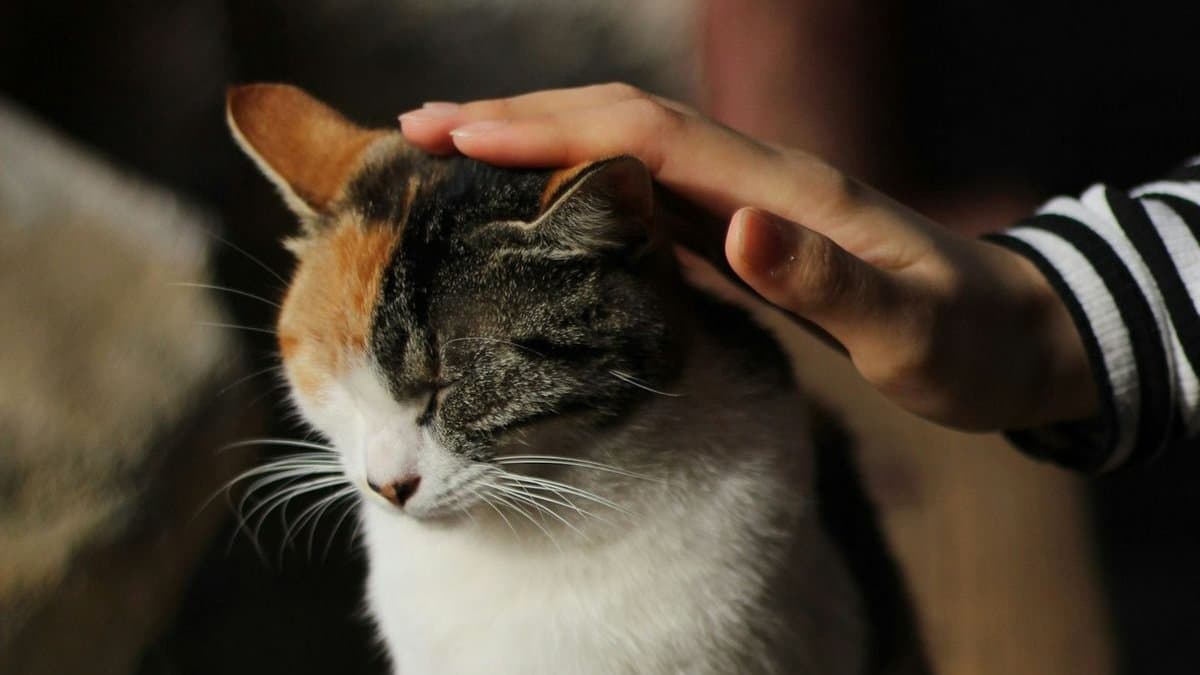
I have dug through decades of feline behavior research, and one thing is clear: when your cat presses their forehead against yours and rubs their cheek along your jaw, they are not just being cute. They are doing something deeply meaningful in the language of cats. Let us walk through what headbutting really is, why your cat does it, and how to tell the difference between this affectionate behavior and a medical emergency that looks deceptively similar.
What Is Cat Headbutting?
Headbutting, more formally called bunting, is when a cat presses their forehead, cheek, or chin against you - or another cat, or an object - and slowly rubs along it. Sometimes it is a gentle nudge. Sometimes it is a full-body lean where your cat slides the side of their face from their ears down to their whiskers across your leg, your arm, or your face.
The International Cat Care organization describes bunting as a natural feline behavior in which a cat uses the scent glands located on their head to deposit scent onto a person, animal, or object. It is one of the most common and socially significant behaviors in the domestic cat's repertoire.
You will usually notice it when you come home from work, when you sit down on the couch, or when you are petting your cat and they suddenly push their face into yours. It can feel insistent - and it is. Your cat is communicating something specific.
Bunting vs. Allorubbing
Feline behavior researchers draw a useful distinction between bunting and allorubbing. Bunting is the focused head-and-face press: your cat targets you with their forehead or cheek and pushes in. Allorubbing is the broader, sliding body rub where your cat drags their whole side along you, often wrapping their tail around your calf as they go.
Both behaviors serve overlapping purposes, but bunting tends to be more intimate and more deliberate. When a cat headbutts you directly, they are usually making a closer, more personal form of contact than when they simply rub against your legs in passing.
The Scent Gland Explanation
To understand why cats headbutt, you need to know something about their face. Cats have scent glands - properly called sebaceous glands - concentrated in several spots: the cheeks, the forehead, the chin, the base of the tail, and around the lips. These glands produce pheromones, which are chemical signals that other cats can detect through the vomeronasal organ located in the roof of the mouth.
When your cat presses their cheek against you and rubs, they are depositing those pheromones onto your skin, your clothes, or your hair. The Cornell Feline Health Center notes that scent marking is a primary way cats communicate and identify individuals and objects in their environment. Your cat is, quite literally, tagging you with their personal signature.
This is not a random act. Cats choose what they scent-mark, and they tend to mark things that matter to them - familiar people, other cats they live with, favorite sleeping spots, and the boundaries of their territory.
"You Are Mine, You Are Family"
The pheromones deposited during bunting serve as a kind of olfactory name tag. When your cat headbutts you, they are saying, in the only language they have for it, "you belong to me." It is a claim of ownership, but a tender one. They are adding you to their scent group - the collection of familiar smells that make up their family.
This matters because cats are far more social than their reputation suggests. The image of the aloof, solitary cat is largely a myth, or at least a big oversimplification. Domestic cats, especially those raised around other cats, form what behaviorists call a colony - a social group with shared territory and, importantly, a shared group scent.
The Social Bonding Function
In a free-roaming cat colony, members rub against each other regularly. Cat behavior researchers, including those whose work is summarized by the American Veterinary Medical Association and the International Cat Care, have observed that cats who live together develop a communal scent through mutual rubbing. Each cat deposits their own pheromones on the others, and over time the group comes to share a blended scent profile that identifies them as part of the same family.
When your indoor cat headbutts you, they are doing exactly what they would do with a colony mate. They are mixing their scent with yours. You become, in their nose, part of the group. This is one of the strongest forms of social bonding cats engage in, and it is a genuine sign of trust and affection.
Think about it this way: a cat who does not trust you will not put their face that close to yours. The head and face are vulnerable areas. When your cat offers their forehead to you, they are showing that they feel safe with you - safe enough to let their guard down and press in.
Why Cats Headbutt Objects Too
You have probably seen your cat headbutt the corner of a wall, the leg of the couch, or a doorframe and rub their cheek along it. This is the same behavior, directed at the environment rather than at you.
Object bunting is about territory. By depositing their scent on furniture, doorways, and corners, your cat is marking their home as familiar and safe. These scent marks act as reassurance: when your cat walks past a spot they have already marked, they smell themselves, and that familiarity tells them they are in their own space.
This is why cats often bunt the same spots repeatedly. The scent fades over time, and your cat refreshes it. It is also why a new piece of furniture, or a room that has just been cleaned, often gets a thorough headbutting session - your cat is reclaiming it and adding it back to the scent map of the home.
There is no contradiction here. Headbutting you and headbutting the couch are the same underlying behavior, just with different targets. With you, it is about social bonding and family. With objects, it is about territory and security. Both are completely normal.
Why Some Cats Headbutt More Than Others
If you have had more than one cat, you already know that some cats are relentless headbumpers and others almost never do it. There are several reasons for this variation.
Personality plays the biggest role. Just like people, cats have individual temperaments. Confident, socially bold cats tend to bunt more. Shyer cats may show their affection in subtler ways, like sitting near you or slowly blinking.
Socialization during the kitten weeks also matters. Kittens that were handled gently and exposed to a variety of people during their sensitive socialization period (roughly two to seven weeks of age, as described by feline behavior specialists) are more likely to grow into adults who use close-contact behaviors like bunting freely.
Breed can be a factor too. Some breeds known for being highly affectionate and people-oriented - such as the Siamese, the Sphynx, the Ragdoll, and the Maine Coon - are often reported by their owners to be enthusiastic headbutters. This is not a hard rule, but it reflects the general tendency of these breeds to seek out close physical contact with their humans.
Age and health matter as well. A young, energetic cat may headbutt you as part of a greeting frenzy. An older cat with arthritis may still want to bunt but do so more gently or less often. If your cat suddenly stops headbutting when they used to do it constantly, that change is worth paying attention to, though it is not by itself a diagnosis of anything.
What It Means When a Cat Headbutts Then Turns Their Head
A common variation goes like this: your cat headbutts you, and then immediately turns their head, exposing the side of their face or the base of their ear. This can mean a couple of things.
Often, it is an invitation. Your cat is showing you where they want to be scratched. The area around the ears, under the chin, and along the cheek is full of those scent glands, and cats love having them rubbed. By turning their head after bunting, your cat is essentially saying, "Now that I have marked you, please return the favor with some scratches right here."
Sometimes, though, it is simply part of the scenting motion. A full bunt often involves the cat pressing in and then sweeping their head to the side to drag the cheek along you. The turn is not always a request - it can just be the mechanics of a thorough scent deposit.
You will learn to tell the difference with your own cat. If they turn and then hold still, ear tilted toward your hand, they want scratches. If they turn and keep moving, they were just finishing the rub.
Headbutting as a Greeting
One of the most endearing times a cat headbutts is when you come home. You walk through the door, and your cat trots over and bonks their forehead against your shin, your hand, or - if they can reach it - your face.
This is a greeting behavior, and it serves double duty. First, your cat is acknowledging your return and showing that they recognize you and are glad (in their way) to see you. Second, they are re-establishing the shared scent. While you were out, you picked up all kinds of smells from the outside world. Your cat is refreshing your scent profile, re-marking you as part of their family, and restoring the familiar olfactory balance of the home.
Cats in a colony do the same thing when they meet up after time apart. The greeting rub is a way of confirming group membership and catching up on where the other cat has been. When your cat greets you with a headbutt, they are treating you the way they would treat a returning colony member - which is about the highest compliment a cat can give you.
Should You Headbutt Back?
A lot of cat owners wonder whether they should return the gesture. The short answer is: yes, gently, if your cat is receptive.
A soft forehead-to-forehead press is a reasonable way to reciprocate. Lean in slowly, let your cat set the pressure, and do not force it. If your cat pulls away, let them go. Bunting is an offering of trust, and grabbing your cat's head or pushing into them harder than they want undermines exactly the bond the behavior is meant to build.
You can also respond by scratching the spots your cat presents after a headbutt - the cheeks, the chin, behind the ears. Slow blinking back at your cat is another way to return the affection in cat language; the slow blink is widely recognized by feline behaviorists as a sign of trust and contentment.
The key is to let the interaction stay voluntary. Cats respond best to people who respect their boundaries, and a cat who feels in control of the contact is a cat who will keep initiating it.
When Head Pressing Is a Medical Emergency
This is the part I want every cat owner to read carefully, because it could save your cat's life.
Head pressing is not the same as headbutting, and it is not normal. Head pressing is when a cat presses their head - usually their forehead or the top of their skull - firmly against a wall, a corner, or a piece of furniture, and holds it there without rubbing. They may stay in that position for a long time, sometimes until they are nudged away. It is often accompanied by other signs: pacing in circles, disorientation, seizures, changes in behavior, or a stumbling gait.
The Cornell University College of Veterinary Medicine and other veterinary authorities identify head pressing as a sign of neurological distress. It can indicate a range of serious problems, including brain tumors, liver disease that causes a buildup of toxins in the brain (a condition called hepatic encephalopathy), infections of the central nervous system, poisoning, or head trauma.
The crucial distinction is this: bunting is active, social, and brief. Your cat presses in, rubs, and moves on. Head pressing is passive, sustained, and often involves the cat pushing their skull against a hard surface and just staying there, sometimes with a blank or distressed expression.
If you see your cat pressing their head into a corner or against a wall and holding the position - especially if they seem confused, uncoordinated, or "off" in any other way - do not wait. This is a veterinary emergency. Call your vet or an emergency animal hospital right away. The underlying causes are serious, and early intervention can make a real difference.
To be clear: the affectionate headbutt your cat gives you when you sit down on the couch is not head pressing. Bunting is a healthy, normal, and wonderful part of living with a cat. But knowing the difference between the two means you will recognize a genuine emergency if one ever arises.
Why It All Comes Back to Trust
When you put the pieces together, headbutting turns out to be one of the richest behaviors in a cat's vocabulary. It is scent marking, but it is also claiming. It is territorial, but it is also intimate. It is a greeting, a bonding ritual, and a request for affection all at once.
Most of all, it is a sign of trust. Your cat is choosing to put their face against yours, to mix their scent with yours, and to treat you as part of their family. The next time your cat bonks their forehead into yours and drags their cheek along your jaw, you will know exactly what they are saying: you are mine, you are safe, and you are home.
Keep reading
If you found this helpful, you might also like our guides on why cats vocalize for attention, whether following means love and signs your cat is bonded to you.
Further reading
Love learning about cats? Adopt a virtual cat pet and level it up by joining our community.
Comments (0)
Join the conversation
Sign up to share your thoughts.
Loading comments...